Song Meaning
The lyrics of "Você Que Não Vem" immediately establish a haunting sense of absence. The speaker directly addresses someone who "não vem" (doesn't come), questioning their whereabouts. This person, who once "chegou chorando" and "viveu sonhando" with the speaker, has since departed, leaving a profound void.
The emotional core deepens with a striking paradox: the departed left "seu bem" (their good or essence), transforming the resulting sadness into "O bem maior que a vida tem." This isn't just grief; it's an intense acknowledgment that the depth of sorrow itself has become the most significant experience. The relationship, it seems, ultimately "Ficou nas promessas."
Despite this profound melancholic acceptance, the speaker declares a shift: "Vou procurar felicidade / Deixar toda a tristeza." Yet, this isn't a simple move forward. The decision to "Viver só de saudade" for the things "que esse amor Somente promete" reveals a lingering attachment not to what was, but to what could have been. It's a poignant form of acceptance, where longing for unfulfilled potential becomes a way of life.
The power of these lyrics lies in their unflinching honesty about loss and unkept promises. They don't just mourn; they dissect the nature of the pain and the unfulfilled future. The repetition of "se perdeu" underscores the irreversible waste of time and dreams, leaving behind a complex tapestry of longing and a bittersweet acceptance.
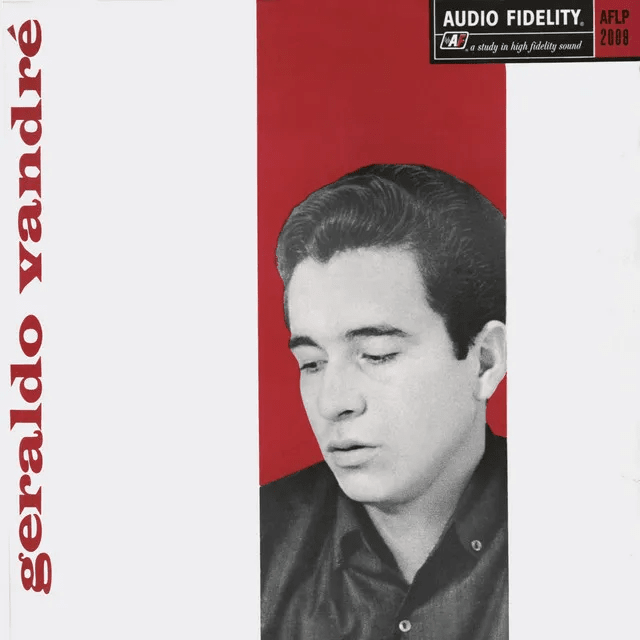
 View Artist