Song Meaning
The lyrics open with a stark contradiction: the societal expectation that "Quem é homem não chora" (He who is a man does not cry) immediately clashes with the speaker's raw admission. A lost love, "Meu amor foi embora," triggers an undeniable sorrow. This sets up a poignant battle between ingrained stoicism and genuine human grief.
The core tension here is the speaker's refusal to conform to a rigid masculine ideal. Despite the adage, the narrator declares, "eu choro só de lembrar," openly embracing his tears. This isn't just a moment of weakness; it's a defiant acceptance, as he states, "eu vou viver a chorar," suggesting a continuous state of mourning.
The lyrics cleverly pivot from personal grief to a broader philosophical statement. The lines "Quem nunca amou nunca sofreu / Não chorou mais não viveu" introduce a profound insight. Here, suffering and crying are presented not as flaws, but as essential components of a fully lived life, directly challenging the initial premise.
This shift culminates in a powerful justification for vulnerability. The speaker argues that while "Coisa tão triste é ver um bem se acabar" (such a sad thing is to see a good thing end), it is "Muito mais triste porém é nunca amar" (much sadder, however, is never to love). These lyrics resonate by validating the pain of loss as a testament to having experienced something truly valuable, making the tears not a sign of weakness, but a mark of a life lived deeply.
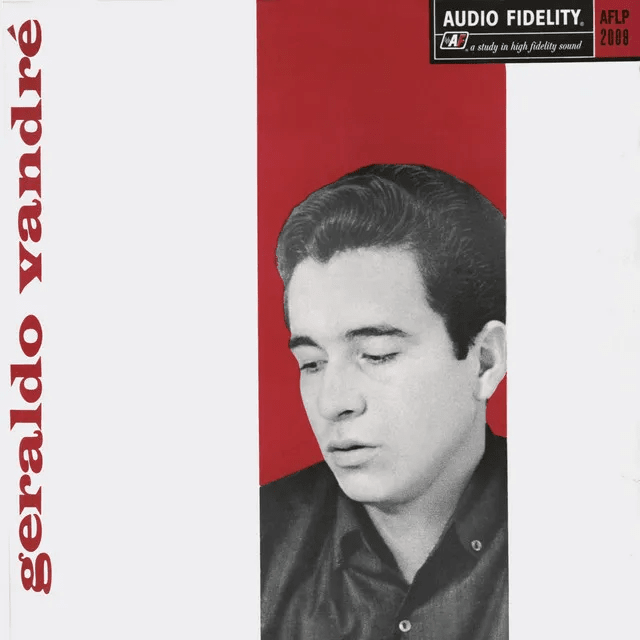
 View Artist