Song Meaning
The lyrics paint a picture of a people who have endured hardship, marked by repetitive actions and a deep longing for something more. They sang hymns, traveled from docks to the backlands, and experienced near-starvation and thirst, moving through both city and countryside. This journey, filled with repeated actions like "cantaram cantaram" and "passaram passaram," suggests a cyclical struggle, a persistent effort against difficult circumstances. The repetition of "sonhos sonharam" emphasizes a collective yearning, a shared hope that fuels their endurance.
The central tension lies between the weight of the past and the hope for the future, embodied in the generational transmission of dreams and skills. We see contrasting images: one figure with a "martelo batendo" (hammer beating) and another "esperando chover" (waiting for rain), highlighting different approaches to survival and progress. This is further amplified by the contrast between a man with a "navalha na barba" (razor on the beard) and another letting his "fio crescer" (thread grow), suggesting diverse paths and perhaps different philosophies of life. The ultimate aim is for their children to learn and then "soltar / Uma nova canção" (release / A new song).
The most striking craft element is the juxtaposition of the mundane and the profound, the physical struggle with the abstract dream. The image of the narrator focuses on is the daughter harvesting "A semente de adão" (Adam's seed), a potent metaphor for the continuation of life and the potential for new beginnings rooted in the very essence of humanity. This harvest is not just about sustenance but about passing down the legacy, the potential for growth and change, from one generation to the next. The lyrics propose that this new song, born from the old planet, will speak of renewal.
These lyrics resonate because they capture a universal human experience: the quiet dignity of perseverance and the enduring power of hope passed down through generations. The specific, almost stark imagery of daily struggles – waiting for rain, shaving or not shaving – grounds the grander theme of dreaming and creating a new future. It’s the subtle suggestion that even amidst hardship, the act of teaching and learning, of harvesting the 'seed of Adam,' is what allows for the possibility of a 'new song' on an 'old planet,' that makes this narrative so compelling.
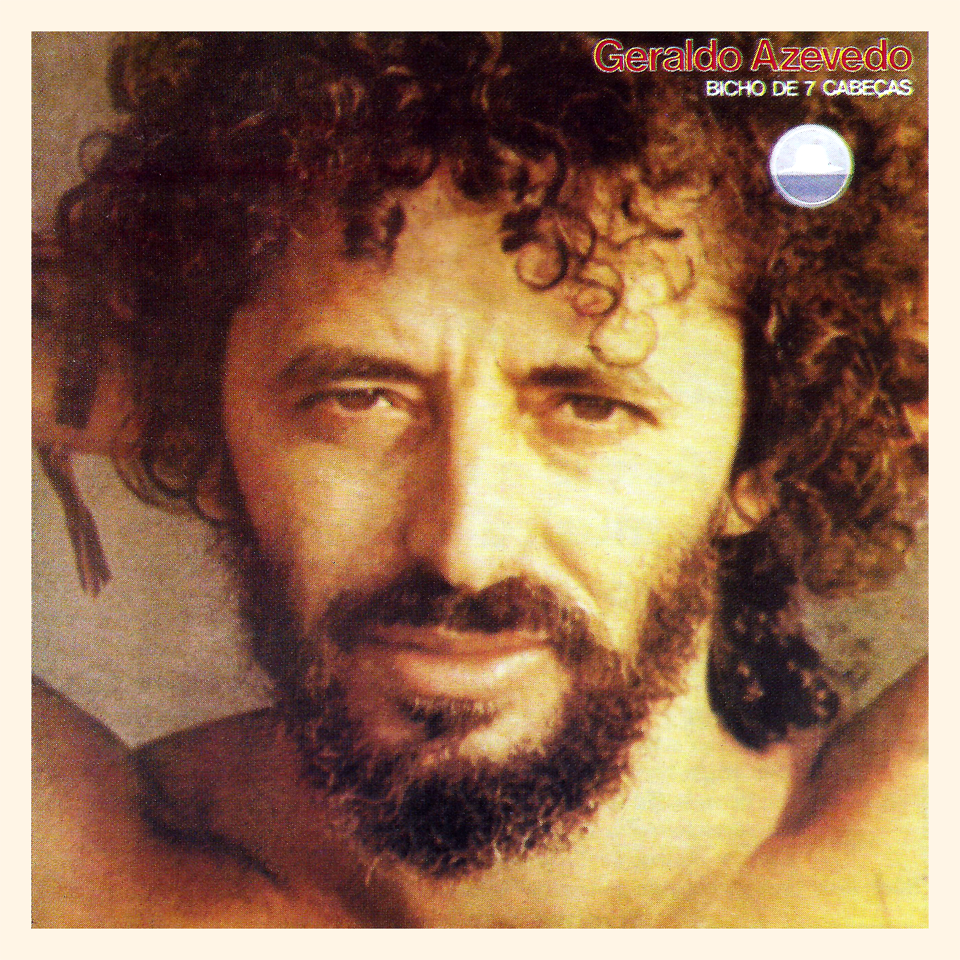
 View Artist