Song Meaning
The lyrics paint a picture of a world brimming with unexpected beauty and constant surprise, where even mundane actions like walking under the sun feel imbued with a strange, almost musical dissonance. The narrator observes a universe where every space holds a certainty and every individual is a unique planet, a vast and complex cosmos contained within each person. This sense of individual sovereignty is juxtaposed with a foreboding awareness that in the wake of such grand journeys, someone is bound to suffer consequences. The imagery of planes and a comet tail suggests movement and grand scale, hinting at a relentless, perhaps overwhelming, progression.
The central tension seems to reside in the contrast between the external, observable beauty and the internal, often dissonant, experience of navigating it. The narrator acknowledges the inherent order and certainty found in nature and within individuals ('cada cabeça um planeta'), yet simultaneously recognizes the potential for pain and consequence that accompanies any significant movement or ambition ('Sei alguém vai se queimar'). This duality creates a feeling of wonder tinged with caution, a recognition of life's inherent risks alongside its marvels.
The most striking craft element is the metaphor of the 'picadeiro do tempo' – the circus ring of time. This image transforms time into a grand, perhaps chaotic, performance space, a 'circo voador' (flying circus). Within this surreal arena, the narrator posits that 'Na força do pensamento / Vou encontrar o amor,' suggesting that love is not found through external circumstance but through the internal power of one's own mind and will. This elevates thought and intention as the primary tools for discovering connection amidst the swirling, unpredictable nature of existence.
This lyrical construction is effective because it grounds abstract concepts like time, love, and consequence in vivid, almost surreal imagery. The shift from observing external beauty and potential danger to an internal resolution through thought creates a powerful arc. It suggests that while the world may be a dazzling, sometimes perilous, spectacle, the ultimate discovery of love is an act of internal agency, a deliberate finding within the grand, bewildering performance of life.
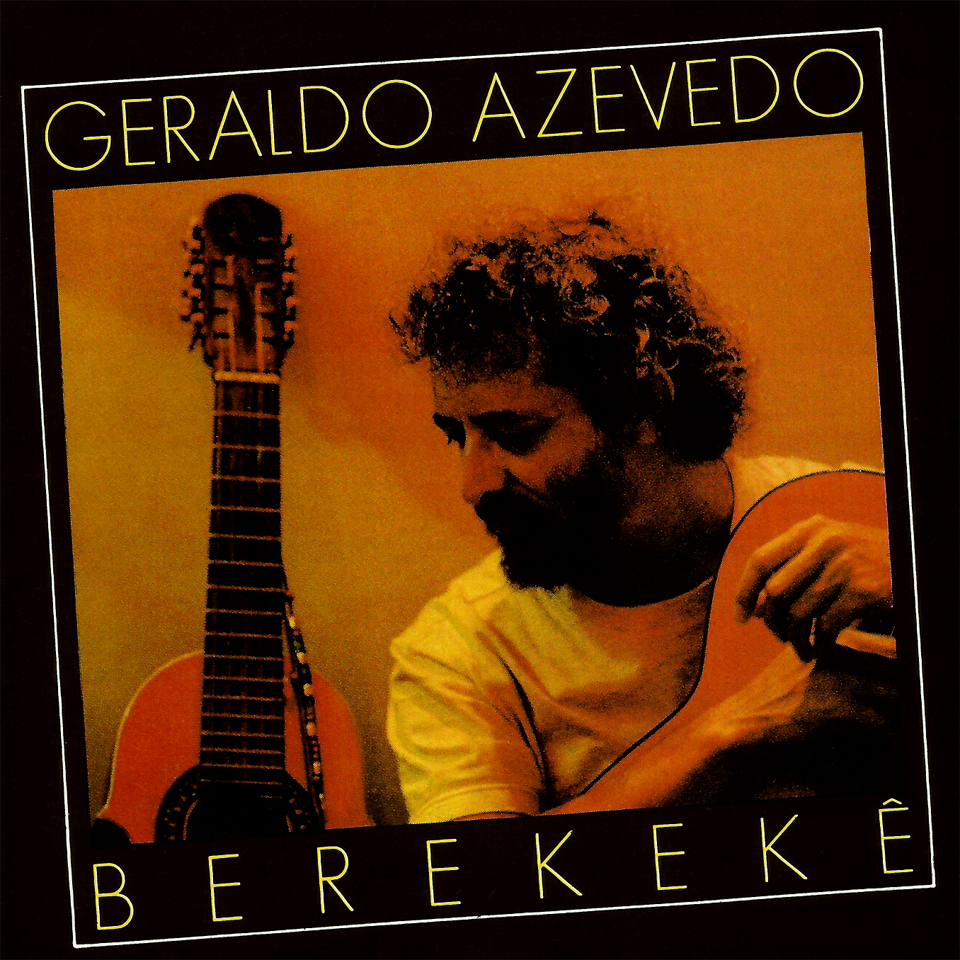
 View Artist