Song Meaning
The lyrics paint a vivid picture of a childhood spent tending sheep, filled with dreams of becoming a vaqueiro, a cowboy, complete with a chestnut horse and silver-adorned tack. This idyllic past is contrasted sharply with the present, described as "pé no mundo" – a life on the go, facing the world head-on. The youthful aspiration for a specific, romanticized future has clearly given way to a more rugged, perhaps less materialistically defined, existence.
The core tension lies between the simple, hopeful dreams of youth and the complex, often contradictory reality of adulthood. The narrator recalls a time of clear aspirations, "Um belo dia seria um vaqueiro," while the present is characterized by action and a paradoxical state of having "tudo não tenho nada." This suggests a life lived with intensity and purpose, but one that doesn't necessarily equate to material wealth or conventional success.
The most striking element is the narrator's self-description in the present. They "Jogo laço quebram tudo," implying a forceful, perhaps destructive, approach to life's challenges, yet they also identify as "a sede de boa palavra" and "a vida raios de sol." This juxtaposition of raw energy with a desire for positivity and life itself creates a compelling portrait of someone who is both a force of nature and a seeker of light.
This lyrical construction is effective because it grounds abstract adult experiences in concrete childhood imagery. The dream of the vaqueiro, with its specific visual details, serves as a powerful counterpoint to the narrator's current, more ambiguous state. The final lines, "Tenho fé tenho paixão," offer a resolution, suggesting that while material possessions or conventional achievements may be absent, a deep inner conviction and emotional drive sustain the narrator, making their "pé no mundo" life meaningful.
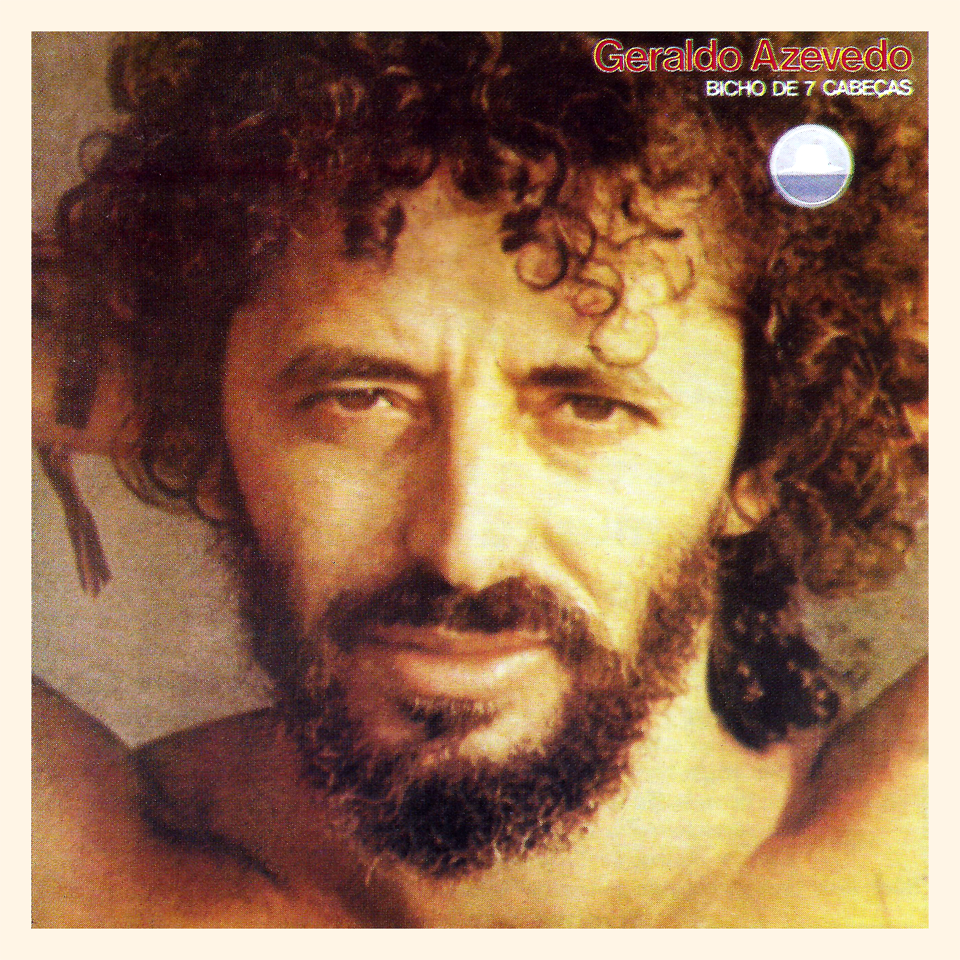
 View Artist