Song Meaning
This song traces a passionate relationship through lunar cycles, framing love's arc with celestial events. The waxing crescent ignites the passion, the new moon sees it shine within, and the full moon marks its peak, a love laid out on the sand. But the waning moon signals its end, a stark contrast to the initial bright beginnings. The lyrics suggest a cyclical nature to both love and personal experience, where intense moments are inevitably followed by decline.
The central tension arises from the narrator's struggle with the aftermath of this lost love, particularly the longing and the feeling of being stuck. The line "Tanto mais dura à segunda-feira quanto mais brilha a primeira" hints at the difficulty of returning to mundane reality after a period of intense brightness, suggesting that the memory of the peak makes the present hardship feel even longer. This contrast between the dazzling peak and the somber aftermath is a core emotional driver.
The most striking craft element is the extended metaphor of the sea and journey to express enduring pain and longing. The narrator transforms their "martyrdom" into a boat and their "saudade" (longing/nostalgia) into a sail, an act of creative resilience. This imagery of sailing to "the end of the world" underscores the immense distance and finality of their emotional state, even if the journey itself felt brief ("Demorei só um segundo").
What makes these lyrics resonate is their evocative use of natural imagery to map complex emotional states. The celestial and oceanic metaphors provide a grand, almost cosmic backdrop for a deeply personal experience of love found and lost. The final lines, "Mesmo assim já era tarde," land with a heavy, resigned finality, capturing that universal feeling of missing a crucial moment, even after immense effort or suffering.
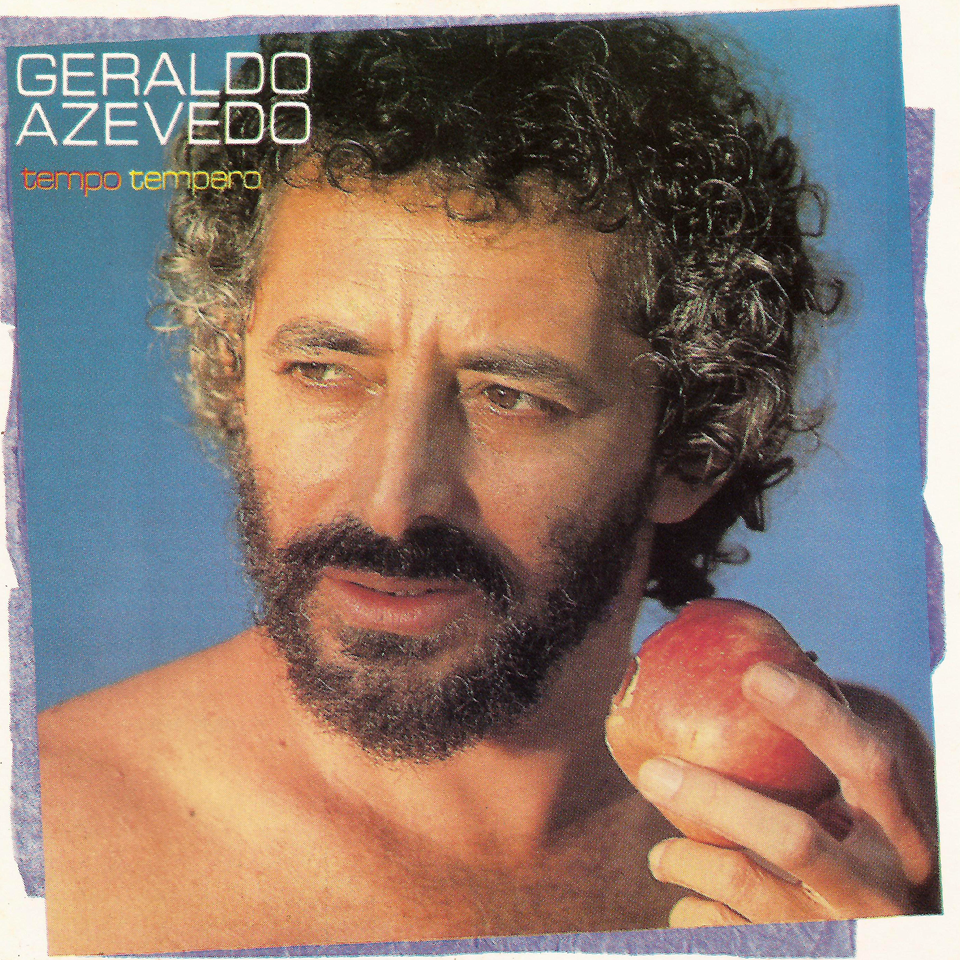
 View Artist