Song Meaning
This song paints a vivid picture of a "casa brasileira," a Brazilian home, filled with specific, evocative details. We get a sense of a place that’s both familiar and unique, with "mangueiras no quintal e rosas no jardim" and a "cristo e a cristaleira" in the living room. Even the quirky detail of a penguin figurine "sobre a geladeira da cozinha" adds to this sense of lived-in character. The repetition of "A casa era uma casa brasileira, sim" grounds us in this specific cultural identity.
The lyrics then introduce a fascinating layer of cultural fusion, describing the house as "Um pouco portuguesa, um pouco pixaim." This suggests a heritage that’s mixed, incorporating influences from Portugal alongside indigenous or African roots, indicated by "pixaim." The "toalhas lá da ilha da madeira" and "arruda e uma figa de marfim" further hint at traditions and origins, creating a rich tapestry of identity.
The most poignant shift comes with the realization that "A casa já não está mais lá." This physical structure is gone, but its essence has been internalized: "Está dentro de mim." The act of singing now triggers sensory memories, like the "cheiro de jardim," connecting the present experience to this lost home. The "coisa brasileira" becomes not just a place, but a feeling, a "jeito, a maneira, a identidade enfim."
Ultimately, the lyrics suggest that this Brazilian identity, this internalized and remembered, is a complex blend of influences. The modern intrusion of the "televisão, essa lareira / Queimando o dia inteiro a raiz que existe em mim" introduces a subtle tension, hinting at how contemporary life might challenge or consume this deeply rooted sense of self. The song captures a bittersweet nostalgia for a home that lives on within, a feeling that is both comforting and perhaps a little threatened.
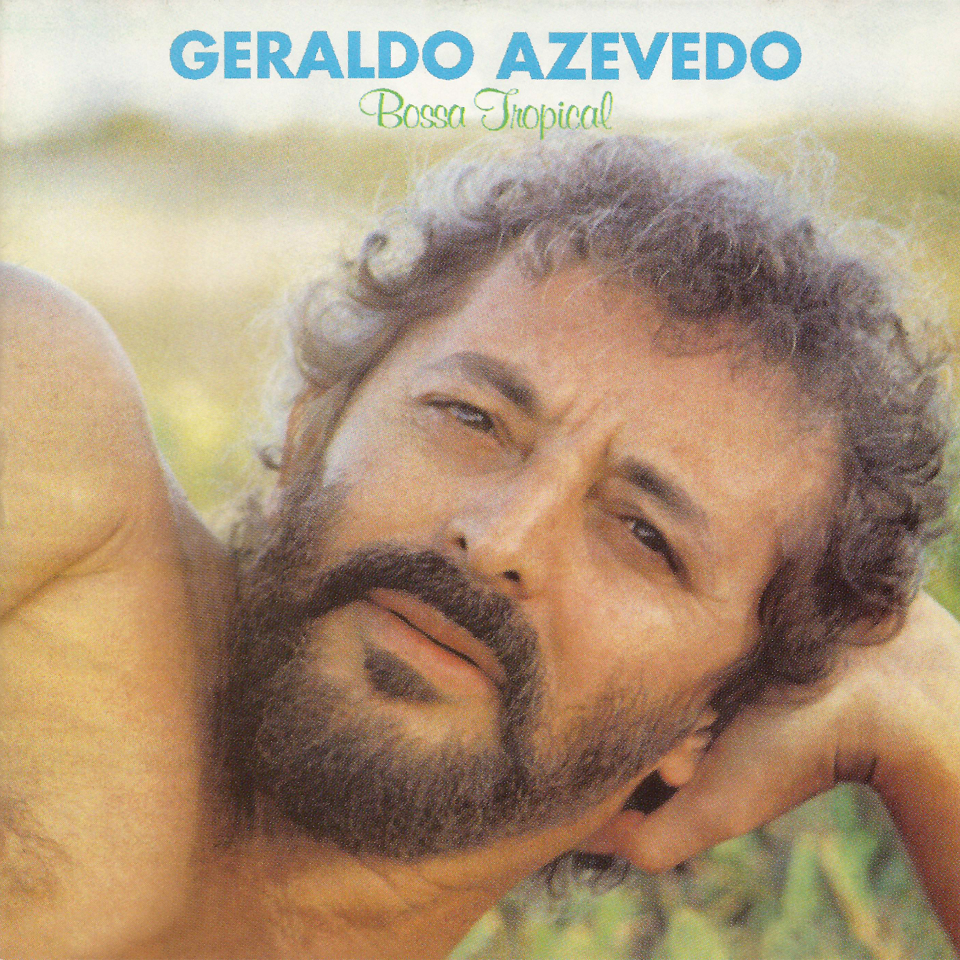
 View Artist