Song Meaning
The lyrics paint a vivid, almost dreamlike scene of a shared moment in nature, bathed in moonlight. The opening lines, 'Estrelas explodem em seu rosto / Anoitecer,' immediately establish a sense of wonder and the transition from day to night. The natural world is personified, singing beautifully, but this profound experience is intimate, witnessed only by 'eu e você' (me and you). This exclusivity elevates the shared perception into something sacred and deeply personal.
The central tension seems to lie in the ephemeral nature of this perfect moment. The 'entardecer' (dusk) is described as fading away with the moonlight, suggesting a fleeting beauty. Yet, this transience doesn't diminish the experience; instead, it seems to intensify it, making the 'campo alegre' (happy field) where the narrator sings all the more precious because it's shared. The repetition of 'noite' (night) and 'luar' (moonlight) reinforces the setting and the dominant atmosphere.
The most striking craft element is the interplay between light and darkness, and the sensory details that bring the scene to life. The 'cheiro dessa mata lua branca' (smell of this white moon forest) is particularly evocative, blending scent with the visual of the moonlight. The phrase 'Lua branca' (white moon) is repeated, acting as a refrain that anchors the listener in the serene, luminous environment. The lyrics suggest that this shared sensory experience is the core of the 'campo alegre.'
Ultimately, these lyrics resonate because they capture the profound intimacy of experiencing natural beauty with another person. The focus isn't on grand pronouncements but on the quiet, shared observation of a moment where 'Natureza canta como ninguém' (Nature sings like no one else). The writing makes the listener feel like an observer, privy to a private, almost magical communion between two people and the moonlit landscape.
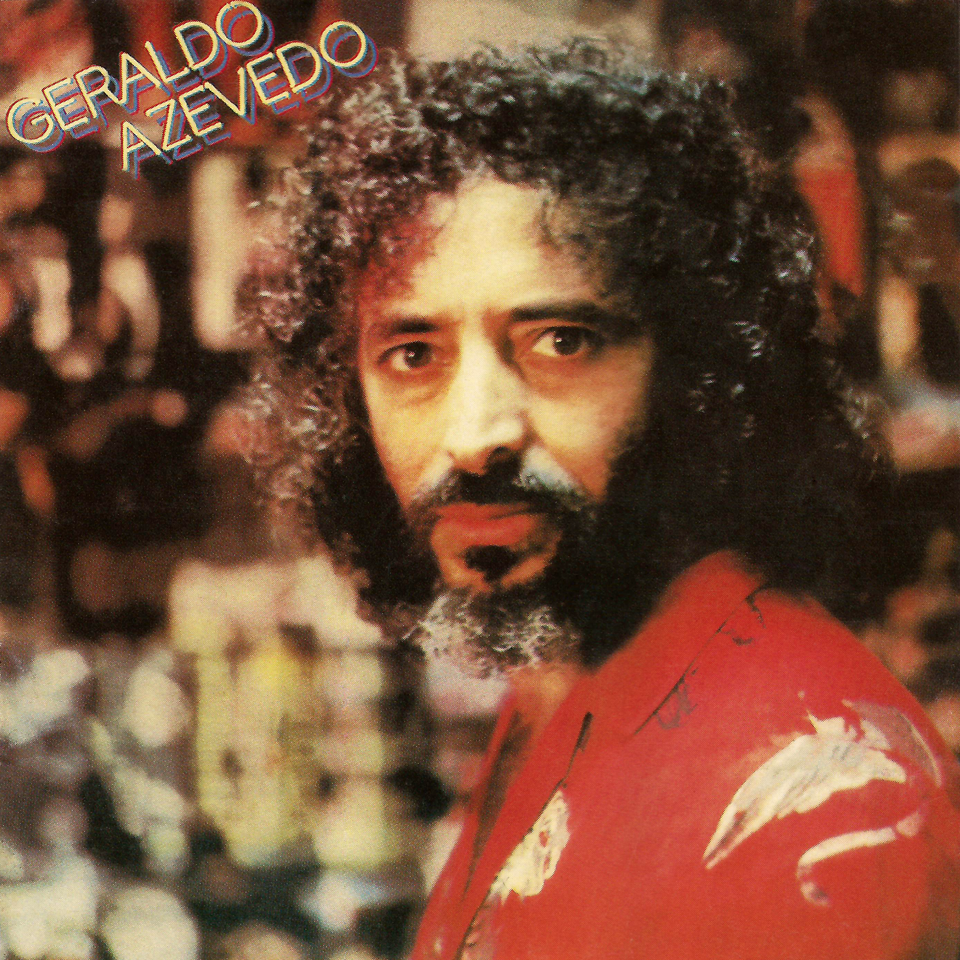
 View Artist