Song Meaning
The lyrics paint a picture of a place called "Arraial dos Tucanos," questioning the nature of its peace. The narrator directly asks "Até quando o homem / Que da terra vive" will experience this peace, suggesting a disconnect between the land and its inhabitants' well-being. This peace is immediately qualified as "Aparente e pálida," hinting that it's superficial and lacking true substance.
The central tension arises from the contrast between this fragile, "aparente" peace and the inherent struggles of those who "da terra vive." The lyrics describe a daily grind, "E que da vida arranca / O pão diário," a life of hardship that seems at odds with the tranquility of the "Arraial." Yet, despite these underlying difficulties, there's an instruction to "Mesmo assim louvai," to praise regardless, highlighting a complex relationship with this imperfect peace.
The repeated phrase "Paz / Aparente e pálida" is the most striking element, functioning as a refrain that underscores the central theme. This repetition emphasizes the fragility and perhaps the illusion of the peace offered. The imagery of "Veredas de espinhos" further contrasts with the idea of peace, suggesting that even within this "Arraial," the paths are difficult and fraught with pain, leading to a profound questioning of what constitutes genuine tranquility.
Ultimately, the lyrics resonate because they capture a universal feeling of striving for peace amidst life's inherent challenges. The careful phrasing of "aparente e pálida" invites listeners to consider the different layers of peace, distinguishing between a superficial calm and a deeper, more authentic sense of well-being. The call to praise "Mesmo assim" suggests resilience and a complex acceptance of life's imperfect state.
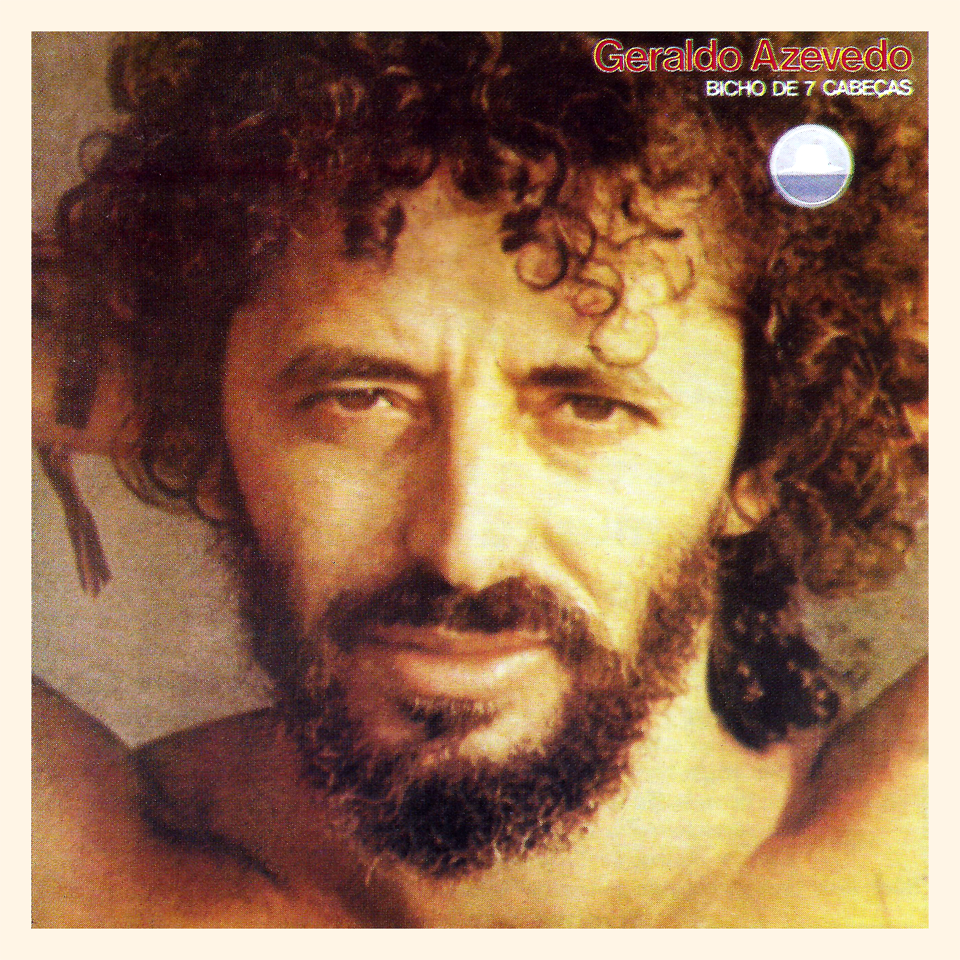
 View Artist