Song Meaning
This track opens with a sense of timelessness, suggesting that the core sentiment transcends specific moments. The narrator immediately declares "Adoro você," establishing a profound affection that isn't bound by the usual markers of past or future. It’s a feeling that exists outside of linear time, a present moment elevated by its sheer intensity. The lyrics emphasize that this adoration is more than just spoken words; it's a visceral experience that begins with desire and leads to pleasure, even persisting through difficult times.
The central tension lies in the contrast between the ephemeral nature of life and the enduring quality of this love. The narrator acknowledges that "A vida não pára" (life doesn't stop) and that time is limited, urging to "Realizar" (realize/achieve) in the present moment, "É agora" (It's now). Yet, amidst this urgency and the fleeting nature of existence, the declaration "Adoro você" remains a constant, suggesting that this love is the anchor, the thing that makes the present moment and the act of realization meaningful. It’s a love that is meant to be forever, a love the narrator wants to possess.
The most striking aspect is the persistent repetition of "Adoro você" across various emotional landscapes and temporal planes. Whether it's "Passado ou futuro" (past or future), "Até quando há lágrima" (even when there are tears), or "Bons tempos e temporais" (good times and storms), the adoration remains. This unwavering declaration, set against the backdrop of life's inevitable changes and challenges, highlights a deep-seated commitment. The lyrics suggest that this feeling is so fundamental that it becomes unforgettable, a truth that surfaces "No fim disso tudo" (at the end of it all).
Ultimately, the effectiveness of these lyrics stems from their directness and the way they anchor a powerful emotion to the simple, undeniable truth of the present moment. By framing this adoration as something that exists beyond words, beyond circumstance, and even beyond time, the narrator creates a compelling portrait of love as an essential, ever-present force. The call to "Realizar" in the "Hora melhor" (best hour) is amplified because it is fueled by this profound and constant affection.
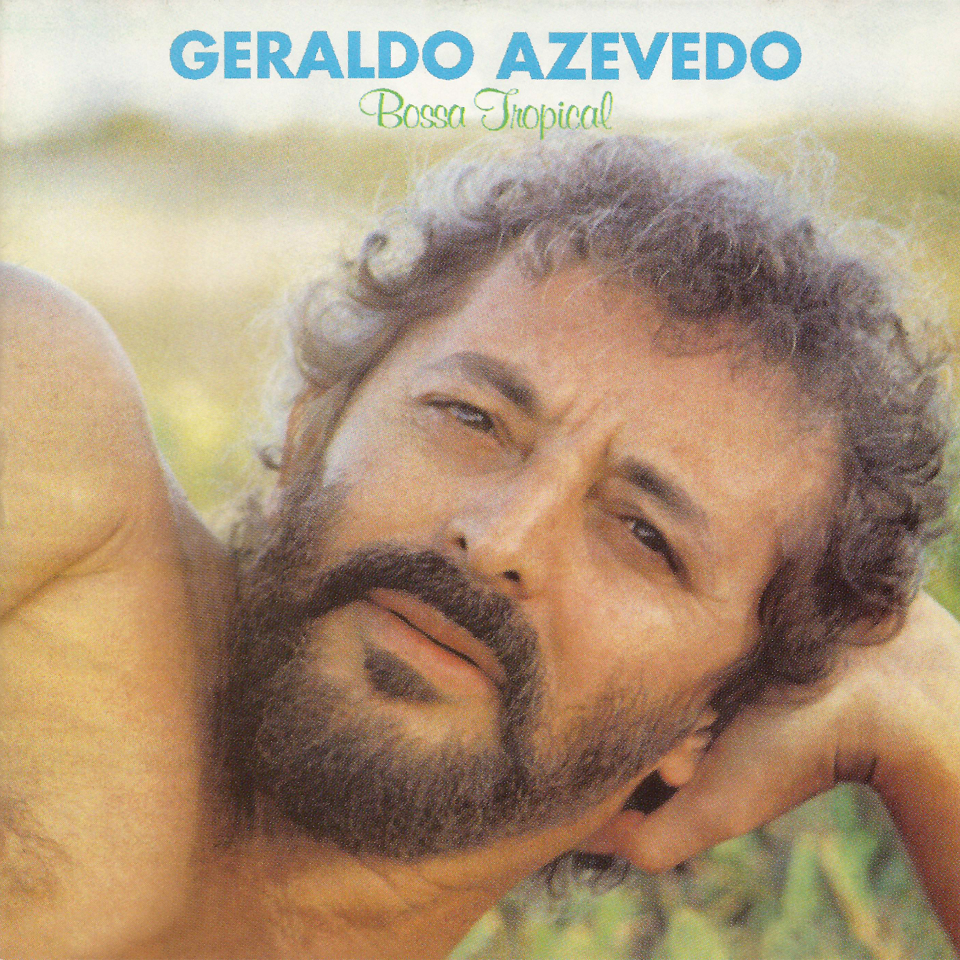
 View Artist