Song Meaning
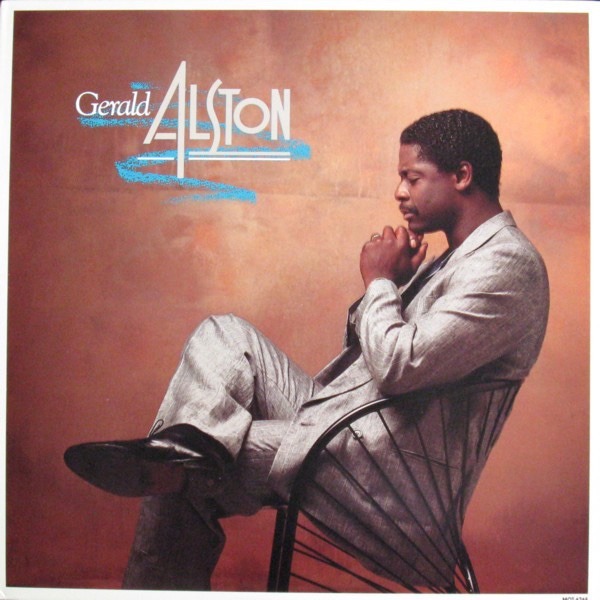
Gerald Alston's rendition of "I Can't Tell You Why" delves into the frustrating paradox of a love that persists despite its inherent difficulties. The song isn't about grand gestures or passionate declarations; it's a raw, honest look at the perplexing inertia of a relationship. The opening lines, "Look at us baby, up all night / Tearing our love apart," immediately establish a sense of conflict and emotional exhaustion. It's a familiar scene—a couple caught in a destructive cycle, seemingly unable to break free. Alston's delivery, imbued with a soulful vulnerability, underscores the weariness of this struggle. The core question, posed repeatedly in the chorus, "And I can't tell you why," isn't necessarily a search for a rational explanation. Instead, it reflects the often-unexplainable, deeply ingrained emotional ties that bind two people together, even when logic dictates otherwise.
The lyrics suggest that both partners contribute to the turmoil. Lines like "When we get crazy, it just ain't right / Girl, I get lonely, too" hint at mutual vulnerability and a shared desire for connection, even amidst the chaos. There's a sense of recognition that they are making things "harder than it has to be," yet they remain trapped in their patterns. The beauty of "I Can't Tell You Why" lies in its embrace of this ambiguity. It doesn't offer easy answers or tidy resolutions. It simply acknowledges the messy, irrational nature of love and the powerful pull that keeps people tethered to each other, even when they're tearing each other apart.
Ultimately, Gerald Alston's interpretation transforms the song into an exploration of the human condition, specifically our capacity for both self-destruction and unwavering loyalty in matters of the heart. The repetition of the chorus emphasizes the central theme: the inability to articulate the complex reasons behind our emotional attachments. It’s a powerful statement about the limits of reason when confronted with the irrational forces of love and longing. The song’s meaning resonates because it mirrors the real-life experiences of many, capturing the poignant truth that love isn't always logical, but it is almost always compelling.
 View Artist