Song Meaning
The lyrics paint a stark picture of absence, where familiar objects lose their meaning without human connection. A chair remains a chair, and a room is still a room, but these physical spaces are rendered hollow and meaningless when the essential element of companionship is gone. The core idea is that a house, a structure, is fundamentally different from a home, which is defined by the presence of love and intimacy.
The central tension arises from the narrator's desperate plea to salvage a relationship that seems to be crumbling. The repeated refrain, "A house is not a home," underscores the emotional void created by separation. This void is amplified by the pain of a "broken heart" and the realization that physical proximity is insufficient without emotional connection. The narrator acknowledges a "mistake" but begs for reconciliation, emphasizing their inability to bear solitude.
The most striking craft element is the use of simple, concrete objects – a chair, a room – to illustrate a profound emotional truth. By contrasting their static nature with the dynamic, essential need for human presence, the lyrics create a powerful metaphor for loneliness. The shift from describing inanimate objects to directly addressing a "darling" and pleading "turn this house into a home" highlights the urgency and personal stakes of the narrator's situation.
Ultimately, these lyrics resonate because they articulate a universal human need for belonging and love, grounding it in relatable domestic imagery. The raw vulnerability in the plea to be "still in love with me" and the fear of facing an empty house alone make the narrator's emotional distress palpable. The writing effectively conveys that true comfort and security aren't found in walls and furniture, but in the shared presence of someone cherished.
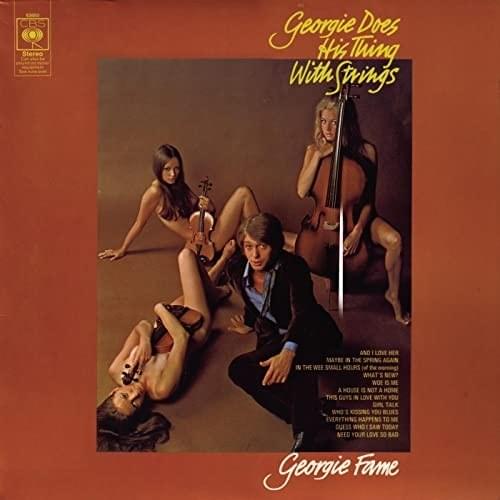
 View Artist