Song Meaning
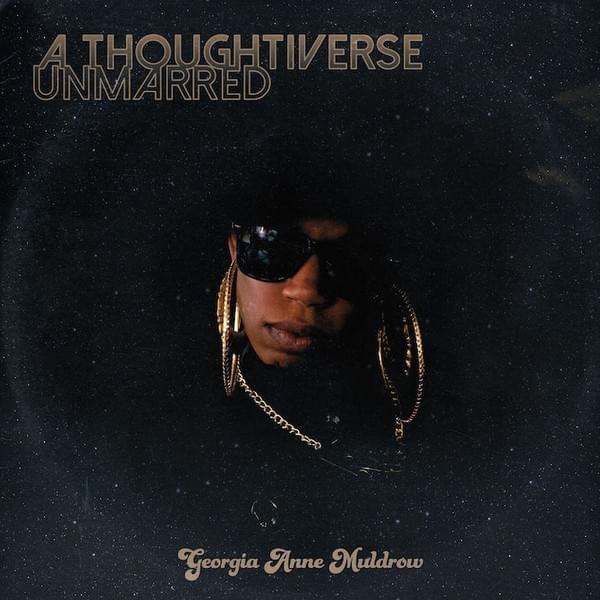
Georgia Anne Muldrow's "Arkansas" isn't just a geographical ode; it's a poignant exploration of memory, longing, and the inescapable pull of one's origins. The song meaning resonates with a deep sense of displacement, even as it romanticizes the titular state. Muldrow paints a picture of a past both cherished and left behind, where "brambles took the cabin" and "briers have claimed the fields." This imagery suggests a landscape of both physical decay and emotional distance. The yearning to return to that "40 acre patch God sowed in Stroud" speaks to a fundamental human desire to reconnect with innocence and simpler times.
The repeated questions – "Arkansas are your rivers still flowing? Is your cotton growing white as snow?" – function as a mantra, almost a desperate plea for reassurance that something remains unchanged amidst the relentless passage of time. These aren't just queries about the physical state of Arkansas; they are inquiries into the enduring nature of identity and belonging. The lyrics analysis reveals a tension between the idealized past and the potentially harsh realities of the present. The lines about "troubles I was born to know" and "things a poor man's born to want" hint at a life marked by hardship, yet the pull of Arkansas remains undiminished.
Muldrow cleverly uses natural imagery to represent the cyclical nature of life and the inevitability of change. Squirrels barking, young men fiddling with dreams of wealth, and old folks whittling on sticks – these are timeless vignettes that capture the essence of rural existence. The line about the girl who "burned another bridge" introduces an element of personal regret and the potential for unresolved conflicts. Ultimately, "Arkansas" is a meditation on the complex relationship between self and place, a recognition that even as we move forward, the echoes of our past continue to shape who we are.
 View Artist