Song Meaning
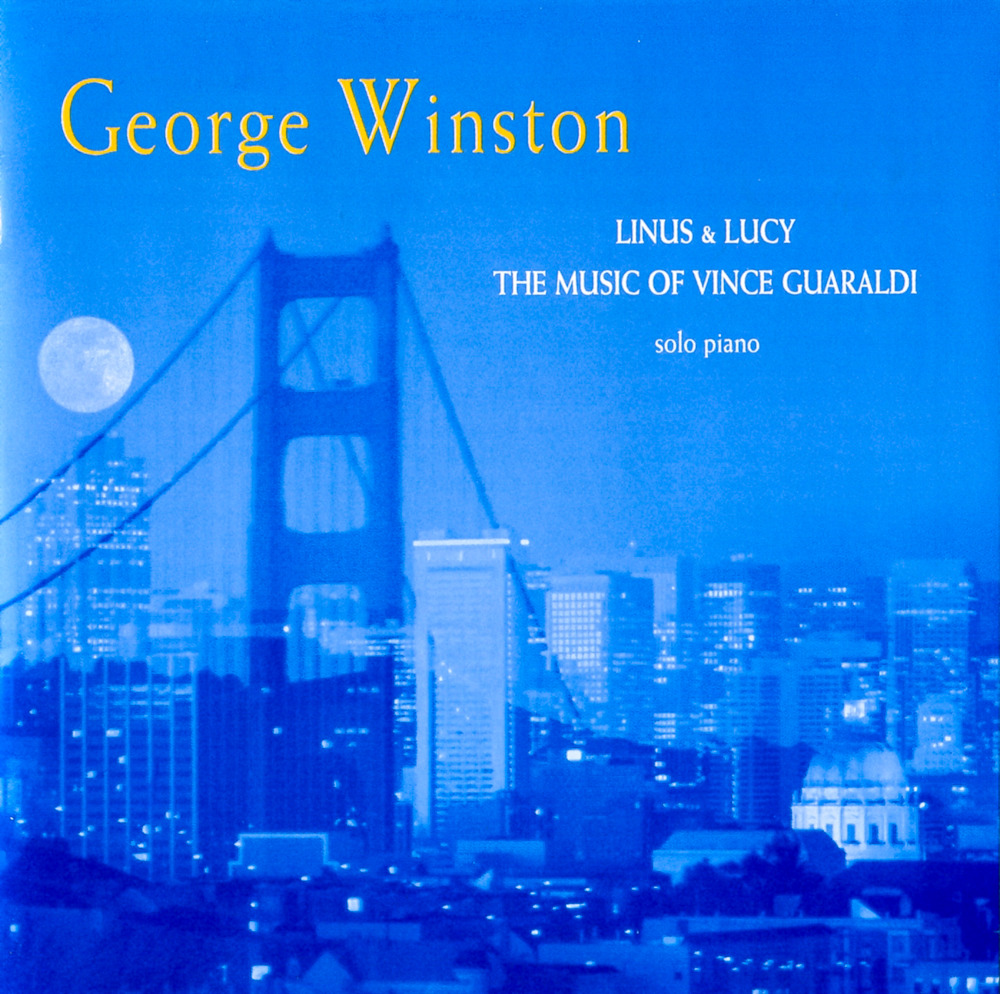
The piece "Cast Your Fate to the Wind" presents itself as purely instrumental. This immediately shifts the listener's focus away from narrative and explicit meaning. Without a vocal line, the music itself must carry all the emotional weight and thematic development. It invites a different kind of engagement.
The absence of lyrics means there's no direct story or character perspective to anchor the listener. Instead, the composition relies entirely on its musical elements—melody, harmony, rhythm, and instrumentation—to evoke feeling. This creates a unique space for individual interpretation, as each listener projects their own experiences onto the sound.
This approach, by design, emphasizes the craft of musical arrangement and performance. The "lyrics" here are the notes, the phrasing, and the sonic textures. It's a deliberate choice that foregrounds the universal language of music, allowing it to communicate directly without the filter of specific words or linguistic context. The composition itself becomes the narrative.
Ultimately, the effectiveness of an instrumental piece like this lies in its ability to transcend verbal explanation. It demands an intuitive response, allowing the music to speak for itself. This direct, unfiltered connection to sound can often create a more profound and personal experience than any lyrical message could convey.
 View Artist