Song Meaning
The lyrics paint a stark picture of impending departure, a definitive exit that the speaker is keenly aware of. The opening lines establish a clear, almost detached certainty: "One of these days, you know it won't be long / You'll look for me and baby I'll be long gone." This isn't a plea or a threat, but a statement of fact, a future event already etched in the speaker's mind. The repetition of "long gone" acts as a rhythmic hammer, driving home the finality of this decision and the speaker's resolve to disappear from the listener's life.
The central tension lies in the speaker's proactive decision to leave versus the listener's presumed unawareness or eventual regret. The repeated phrase "You'll look for me / But me you won't see" underscores this disconnect. It suggests a future where the listener will realize the speaker's absence and perhaps desire their presence, only to find that the opportunity has passed. The line "This lonesome boy has changed his cotton-picking mind" adds a layer of personal agency, indicating a shift in the speaker's internal state that precipitates the departure.
The most striking craft element is the relentless, almost chant-like repetition of "Long gone!" It transforms the phrase from a simple statement into an incantation of freedom and finality. This sonic emphasis mirrors the speaker's unwavering commitment to leaving. The simple, direct language avoids complex metaphors, instead relying on the sheer force of its declarative statements and the stark imagery of absence – the listener searching, but never finding.
Ultimately, the effectiveness of these lyrics stems from their unvarnished portrayal of a decisive exit. There's no ambiguity, no lingering hope for reconciliation, just the cold, hard fact of departure. The speaker's certainty, amplified by the rhythmic insistence of the refrain, creates a powerful sense of inevitability that resonates with anyone who has ever felt the need to simply disappear and start anew.
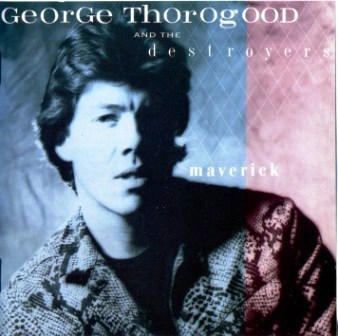
 View Artist