Song Meaning
The lyrics paint a picture of someone deliberately shedding their identity, embracing a life outside conventional boundaries. The opening lines, "I don't have a name / It's easier that way," immediately establish a sense of detachment and a desire to operate without the constraints of societal expectations. This is further emphasized by the image of "let the paint strip away," suggesting a deliberate decay or shedding of a former self, perhaps one that was too polished or restrictive. The parenthetical "(It's so cold) / I'm too cold anyway" adds a layer of bleakness, hinting that this chosen path, while freeing, is also harsh and isolating.
The central tension revolves around a relationship that is clearly ending, with the repeated refrain "You won't wait for me" hammering home a sense of abandonment or an inevitable parting. The narrator seems resigned to this fate, acknowledging, "In time, you'll find another." This isn't a plea for the other person to stay, but rather a stark observation of the situation, highlighting the narrator's own perceived inability or unwillingness to conform to what the other person needs or expects.
The second verse introduces a more chaotic and disorienting imagery. The phrase "Scream white lies" suggests a desperate, perhaps performative, attempt to mask the truth or the pain of the situation. The narrator's "feet off the ground" and the act of leaving "your mind" create a powerful sense of dissociation and escape. It's as if the narrator is physically and mentally detaching, choosing to become untethered rather than be held down by the failing relationship or the perceived falsehoods within it.
Ultimately, these lyrics resonate because of their raw portrayal of self-imposed exile and the quiet resignation to loss. The deliberate erasure of identity and the stark acknowledgment of a relationship's end, without overt drama but with a chilling finality, create a potent emotional landscape. The craft lies in its spareness, allowing the stark images and repeated phrases to carry the weight of the narrator's internal state, leaving the listener with a profound sense of isolation and the cold embrace of freedom.
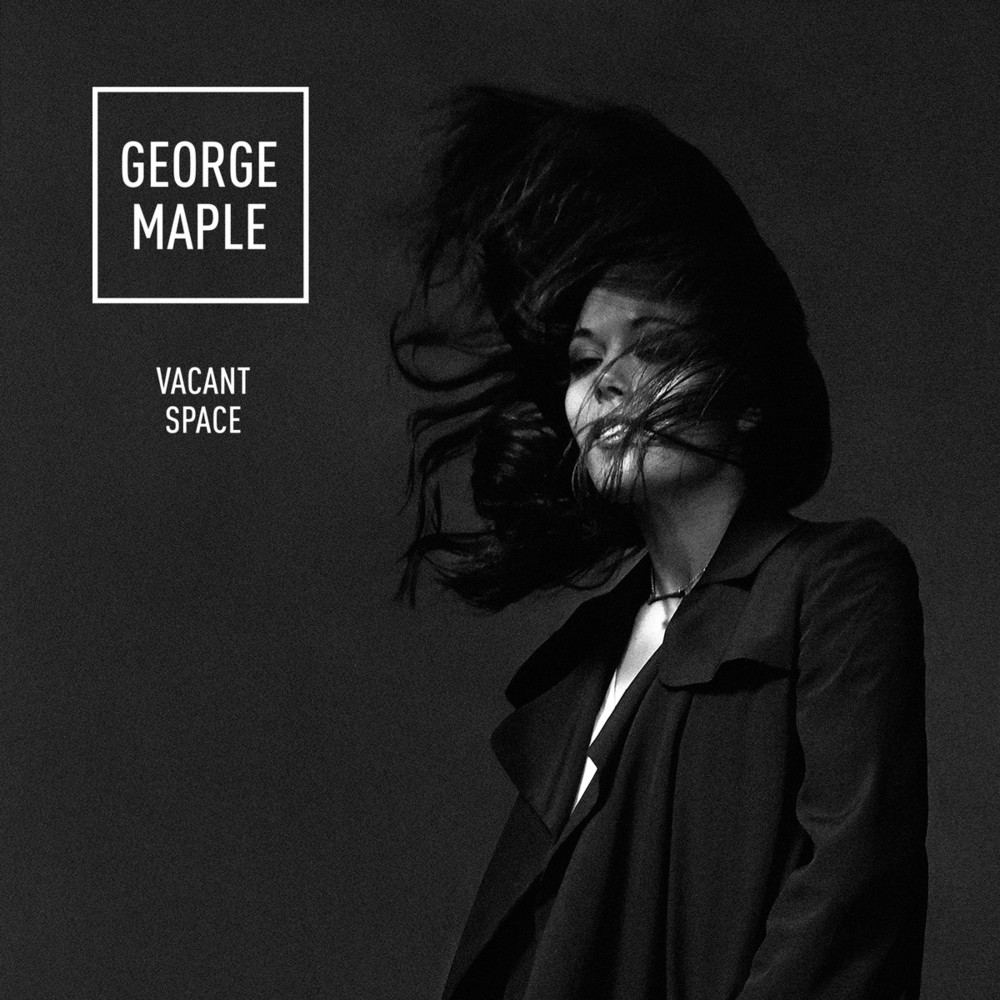
 View Artist