Song Meaning
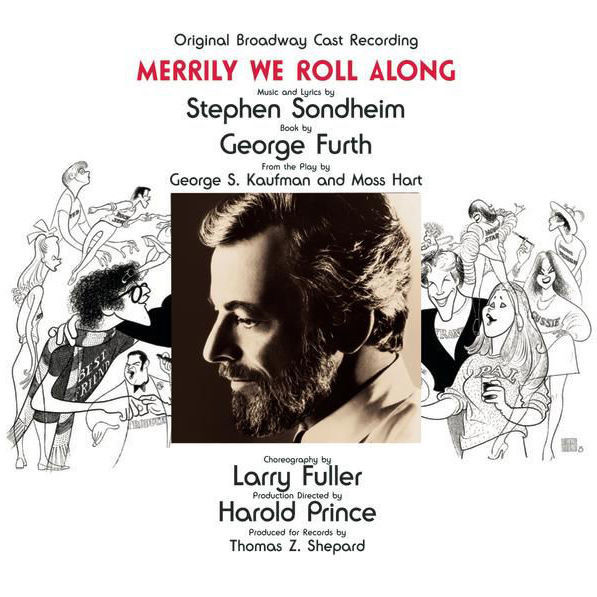
Stephen Sondheim's "Not a Day Goes By" is a masterclass in the agonizing persistence of memory and attachment, a theme Sondheim returns to again and again. The song, deceptively simple in its construction, unpacks the complex emotional fallout of a relationship's end – or perhaps, more accurately, its lingering afterlife. Sung as a duet (ostensibly between Frank and Mary), the lyrics reveal two distinct, yet intertwined, perspectives on enduring love or obsession. One party seems to cling to the hope of an ever-improving bond, while the other grapples with an inability to fully detach, confessing a dependence so profound that separation equates to death. This contrast highlights the imbalance often present in relationships, where one person may perceive growth and deepening connection while the other feels trapped in a cycle of longing and despair. The repetition of "Not a day goes by" underscores the relentless nature of these thoughts, suggesting an intrusive mental loop that neither party can escape.
The song's brilliance lies in its ambiguity. Is this a celebration of enduring love, or a lament for an attachment that has become pathological? The lyrics offer no easy answers. Frank's declarations of things getting "better and stronger / And deeper and nearer / And simpler and freer / And richer and clearer" can be interpreted as genuine optimism or as a desperate attempt to convince himself of a positive trajectory. Mary's counterpoint, the stark admission that she would "die" if the other person left, injects a dose of brutal honesty, revealing the darker side of codependency and the fear of abandonment. The interplay between these two perspectives creates a palpable tension, mirroring the push-and-pull dynamic often found in troubled relationships.
Ultimately, "Not a Day Goes By" resonates because it captures a universal human experience: the struggle to reconcile the idealized version of a relationship with its often-painful reality. Sondheim, with his characteristic psychological acuity, lays bare the raw emotions of love, loss, and the enduring power of memory. The song’s cyclical structure, mirroring the repetitive nature of obsessive thought, reinforces the sense of being trapped in the past, unable to move forward. It's a poignant exploration of how the echoes of a relationship can continue to reverberate long after it has ended, shaping our present and haunting our future. The song's meaning, therefore, is not a simple statement but a complex emotional equation, leaving the listener to ponder the enduring legacy of love and loss in their own lives.
 View Artist