Song Meaning
George Jones, the bard of broken hearts and honky-tonk regrets, distills a lifetime of romantic self-sabotage into "You've Got the Best of Me Again." It's a post-mortem on a relationship perpetually circling the drain, fueled by weakness and a lover's manipulative prowess. The track isn't just about heartbreak; it's about the agonizing awareness of one's own complicity in the cycle of pain. The opening lines confess to a lapse in judgment, a conscious override of self-preservation, driven by an irresistible pull towards a toxic connection. It's the sound of a man who knows exactly how the story ends, yet chooses to reread the same devastating chapter.
The song's power lies in its unflinching honesty. Jones doesn't paint himself as a blameless victim. He acknowledges her methods—"You always knew the best way to get to me / So you stood there in the doorway and you cried your way right in"—but also his own vulnerability. He's a willing participant in this dance of destruction, seduced by the fleeting moments of affection that punctuate the inevitable departures. The repeated line, "And I believe you've got the best of me again," is not just a lament, but a bitter acknowledgement of his inability to break free from the pattern.
Ultimately, "You've Got the Best of Me Again" explores the masochistic allure of unhealthy love. It's a portrait of a man trapped between the desire for genuine connection and the intoxicating drama of a relationship built on shifting power dynamics. The lyrics, particularly the lines about being a "king just now and then," reveal a devastating truth: he's not just losing the woman, he's losing himself, surrendering his agency in exchange for crumbs of affection. Jones doesn't offer any easy answers or resolutions, instead leaving us with the raw, lingering ache of a love that consumes and diminishes. It's a bleak but beautiful testament to the complexities of the human heart, delivered with the unmatched vocal gravitas that made George Jones a legend.
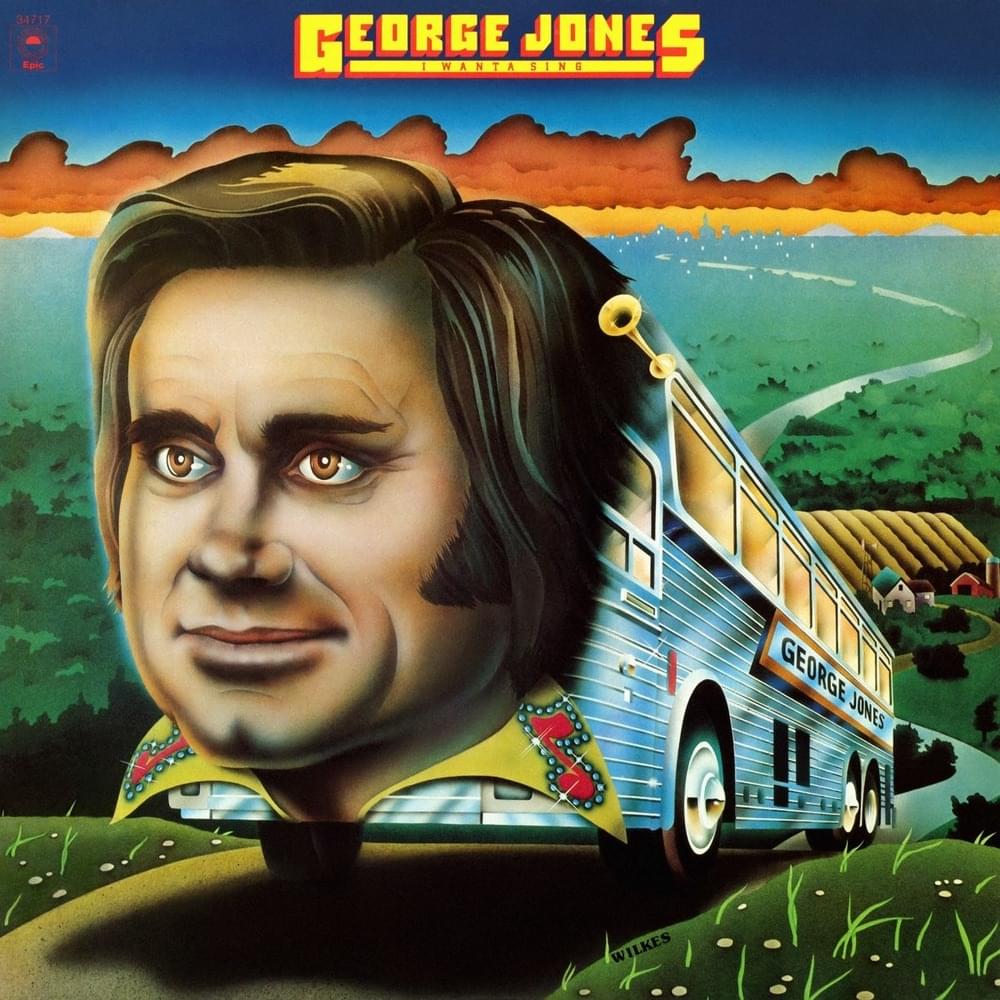
 View Artist