Song Meaning
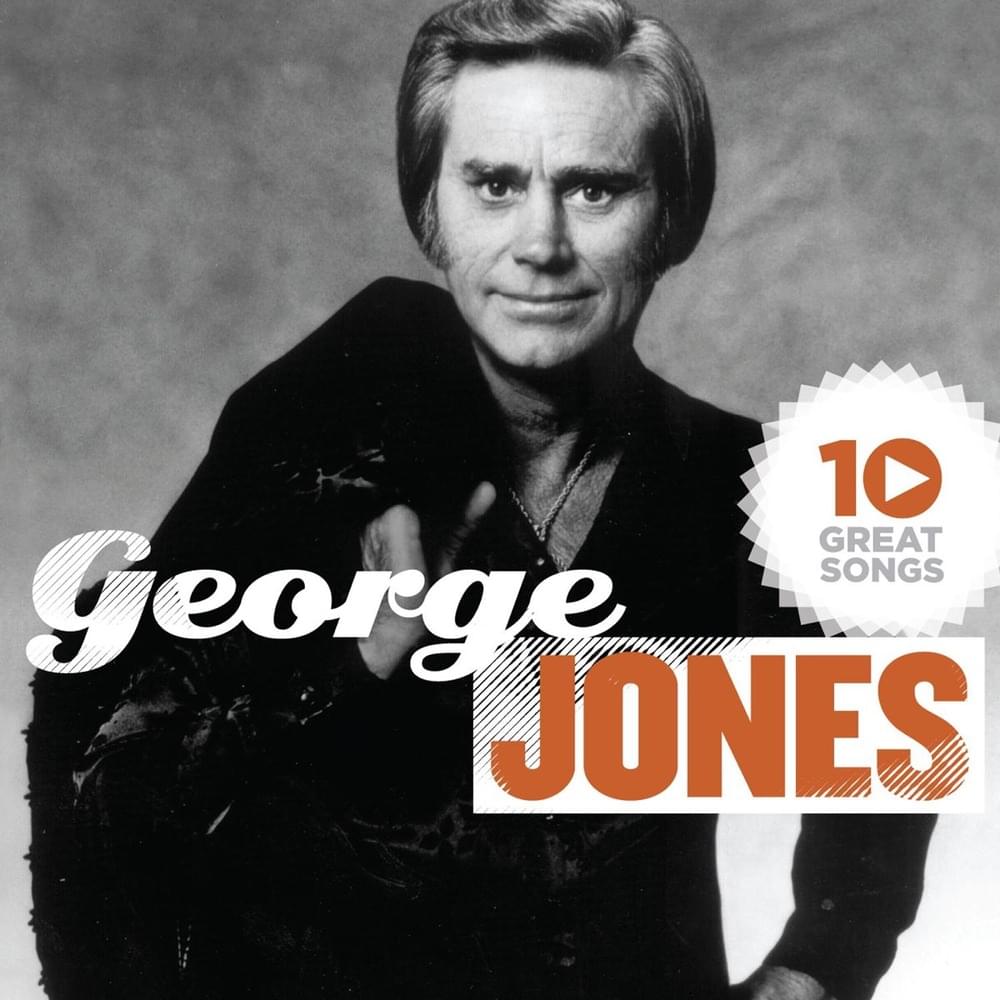
George Jones, the bard of heartbreak, distills romantic devastation to its most brutally simple geometry in "Your Heart Turned Left (And I Was On the Right)." It's a deceptively straightforward country lament, but within its honky-tonk framework lies a profound exploration of misaligned expectations and the agonizing randomness of love's trajectory. The central metaphor isn't just about physical direction; it speaks to a fundamental divergence in emotional paths. Jones isn't merely lamenting rejection; he's grappling with the bewildering realization that his envisioned future, the 'destiny' he thought was within reach, was never a shared destination at all. The turn wasn't a gradual drift, but an abrupt, untelegraphed swerve, leaving him stranded on the wrong side of fate.
The power of the song resides in its raw, almost childlike bewilderment. The lyrics aren't filled with accusations or bitter recriminations. Instead, there's a palpable sense of confusion. 'What could I have said and done?' he asks, not as a challenge, but as a genuine plea for understanding. This isn't the anger of a scorned lover, but the disoriented cry of someone who genuinely believed they were on the same course. The image of kicking stones amplifies this sense of helplessness, a futile attempt to displace the emotional weight crushing him. He is not trying to understand what he did wrong, but trying to understand the randomness of love and how easily it can turn.
The recurring chorus, a relentless echo of the title phrase, serves as both a lament and a stark acknowledgement of reality. The line about dynamite is not an exaggeration, but a realization that the end of a relationship can be as devastating as a bomb. It is a self-aware admission of the fragility of the human heart and the profound impact of shattered expectations. The final repetition of the line in the outro drives home the central theme: Sometimes, despite our best efforts and deepest desires, love simply takes an unexpected turn, leaving us stranded and wondering where it all went wrong. The beauty of Jones' interpretation, however, is that he doesn't demand an answer; he simply embodies the pain of the unanswered question.
 View Artist