Song Meaning
The lyrics paint a stark, immediate picture of grief. Standing by a window on a bleak day, the narrator witnesses the arrival of a hearse, a visual cue that immediately signals the profound loss of their mother. This moment is not just observed; it’s felt deeply, setting the stage for the central question that permeates the song: the enduring nature of connection in the face of death.
The dominant emotional tension arises from the stark contrast between the earthly reality of death and the hopeful, almost desperate, yearning for spiritual continuity. The narrator’s home is now "lonely," a palpable emptiness left by the mother’s absence, while brothers weep. This earthly sorrow is directly juxtaposed with the recurring refrain about a "better home a-waitin' / In the sky," suggesting a profound spiritual hope that struggles to override the immediate pain of separation.
The most striking craft element is the persistent, almost incantatory repetition of the question, "Will that circle be unbroken?" This refrain acts as both a plea and a meditation, echoing the narrator's internal struggle to reconcile the finality of death with the belief in an eternal connection. The plea to the undertaker to "drive slow" is a raw, human moment, a desperate attempt to delay the inevitable and hold onto the physical presence, even as the spirit grapples with the concept of an unbroken circle.
What makes these lyrics so effective is their grounding in specific, relatable moments of loss and their simultaneous reach for transcendent comfort. The image of the hearse, the lonely home, and the brothers crying are visceral anchors. Yet, the persistent question and the vision of a heavenly home offer a powerful, albeit uncertain, solace, capturing the complex emotional landscape of mourning.
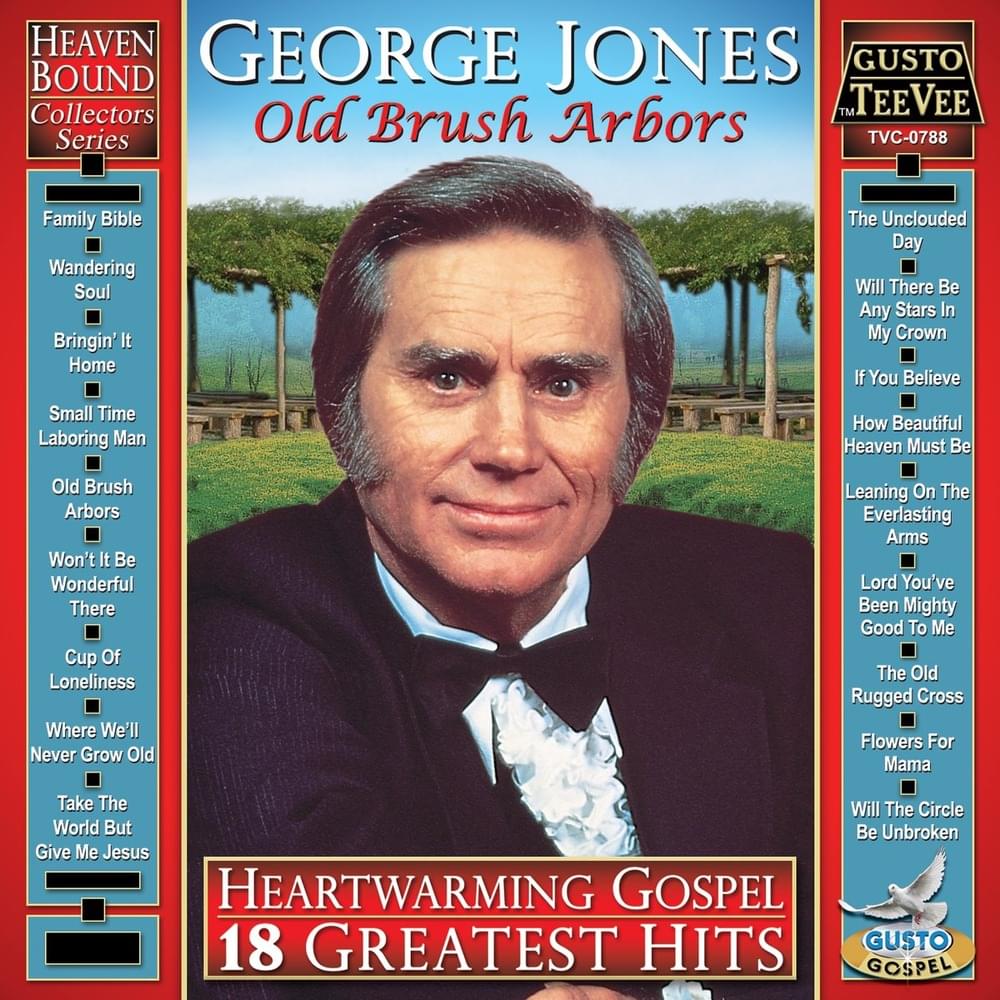
 View Artist