Song Meaning
The narrator grapples with a profound sense of worthlessness, directly tied to the perception of a specific "you." Despite acknowledging a loving upbringing and a moral compass instilled early on, the core question remains: "What am I worth on God's great earth / If I'm not worth nothing to you?" This isn't about external validation or societal achievement; it's about a singular, deeply personal valuation. The lyrics suggest a life lived with the intention of pleasing this "you," even referencing potential presidential or Hall of Fame achievements as things that could be "done for you." This highlights how the narrator's self-worth has become entirely contingent on this one relationship.
The central tension lies in the stark contrast between the narrator's internal sense of having done right and the external, relational deficit that negates it. The mention of learning "the golden rule" before school implies a fundamental understanding of decency and morality, yet this foundational self-knowledge is rendered insufficient. The repeated, almost desperate plea for a "clue" about why they've been made to cry underscores their confusion and pain. It’s as if their entire moral and personal framework collapses without the affirmation of this one person.
The most striking aspect of the craft is the relentless, almost incantatory repetition of the central question, "What am I worth on God's great earth / If I'm not worth nothing to you?" This refrain acts as an anchor, grounding all other reflections—parental love, moral teachings, potential accolades—in the context of this one relationship's perceived failure. The shift from "nothing" to "anything" in the final verse, while subtle, might suggest a desperate hope for even a sliver of value, but the core sentiment of being worthless without this specific person's regard remains unchanged. The lyrics paint a picture of someone whose entire sense of self has been externalized and placed in the hands of another.
Ultimately, the effectiveness of these lyrics stems from their raw, unvarnished expression of a specific kind of existential ache. It’s the pain of feeling fundamentally unseen and unvalued by the one person whose opinion seems to matter most. The narrator isn't seeking universal praise; they're seeking a specific, personal affirmation that, in its absence, leaves them adrift and questioning their very existence on earth. The simple, direct language and the unwavering focus on this singular relational dynamic make the emotional weight palpable.
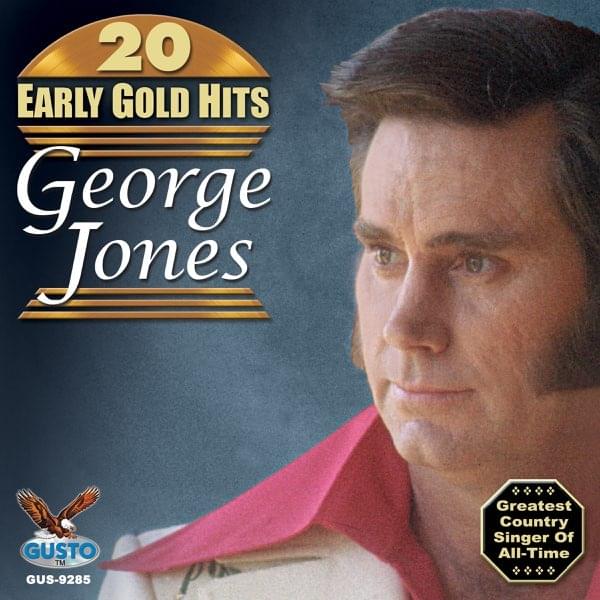
 View Artist