Song Meaning
George Jones's "The Old, Old House" isn't just a country ballad; it's a masterclass in melancholic architecture. The titular house serves as a potent metaphor for lost love and the ravages of time, a tangible representation of a heart left to decay. We aren't simply told a story; we witness the slow, agonizing crumble of a dream. The mansion, once a symbol of hope and future happiness, now stands as a hollow shell, mirroring the old man's internal state. The lyrics paint a vivid picture of faded grandeur, where the autumn leaves and drifting rain amplify the pervasive sense of loss and regret. This isn't just about a broken engagement; it's about the irreversible decay of potential. The house, like the man, is a relic, haunted by what could have been.
The song's power lies in its understated narrative. Jones doesn't wallow in melodrama; he observes with a detached sorrow, allowing the imagery to speak volumes. The repetition of the 'old old man' reinforces the cyclical nature of grief and memory. He is forever tethered to this place, this moment of heartbreak, destined to wander the garden of his shattered dreams. The instrumental breaks punctuate the narrative, offering moments of quiet reflection, almost as if allowing the listener to absorb the weight of the man's sorrow. It’s a subtle, yet devastating, portrayal of how unfulfilled promises can haunt a lifetime.
Ultimately, "The Old, Old House" is a meditation on the enduring power of memory and the tangible reminders of love lost. It’s a story etched in the very foundations of a decaying mansion, a testament to the fact that some wounds never fully heal. The image of the bowed head in the garden is not just a symbol of sadness; it's a recognition of the irreversible impact of time and heartbreak. George Jones delivers a poignant reminder that even the grandest of dreams can crumble into dust, leaving behind only echoes of what once was.
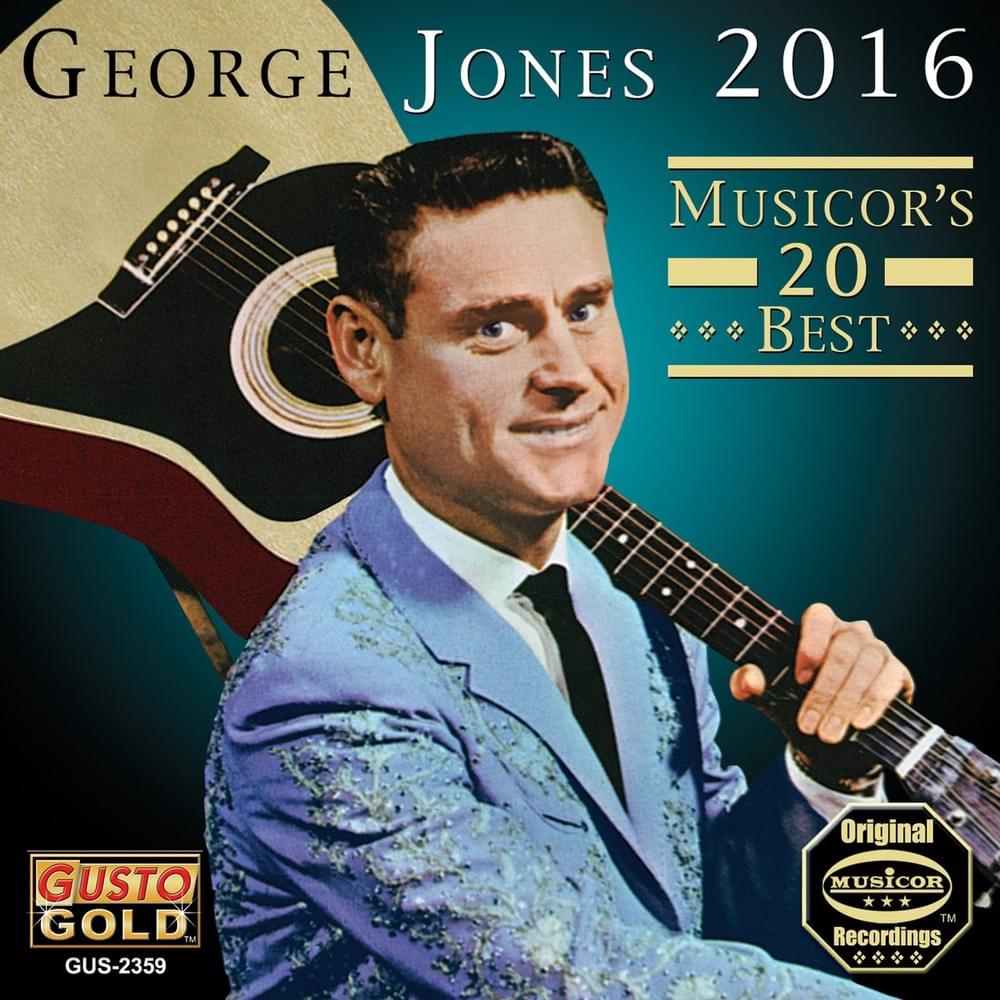
 View Artist