Song Meaning
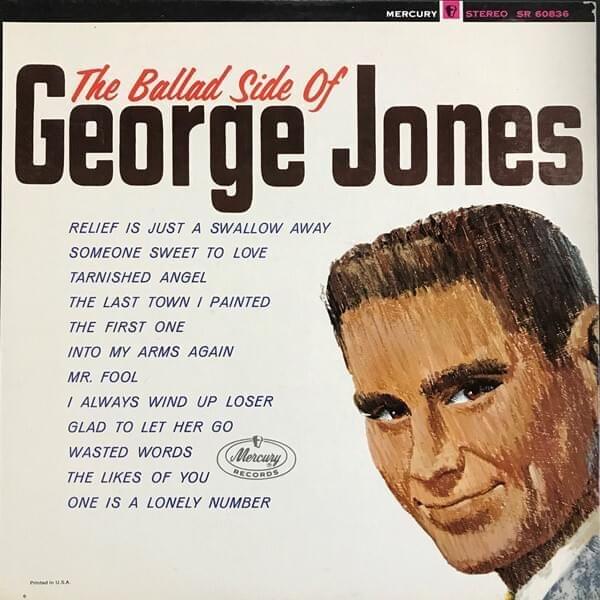
George Jones, the undisputed master of heartbreak, doesn't just sing about regret in "The Last Town I Painted"; he inhabits it completely. The song's premise is deceptively simple: a man returns home to find his wife gone, leaving only a note and a void filled with the blues. But within that framework lies a profound exploration of self-inflicted wounds and the slow-burning agony of realizing you've destroyed your own happiness. The repeated line, "And that's the last town I painted, and I painted it blue," acts as both a confession and a lament, a recognition that his actions have consequences that stretch far beyond a single geographical location. He's painted his entire world blue.
The lyrics are stark and unflinching. There's no attempt to soften the blow or offer excuses. Instead, Jones lays bare the man's failings: "I done all the takin', I didn't want to give." This isn't just about infidelity or neglect; it's a deeper indictment of selfishness and the refusal to nurture a relationship. The line about the devil paying his dues adds a layer of fatalism, suggesting that the consequences were inevitable, a karmic reckoning for a life lived out of balance. He's a man who recognizes his own culpability, trapped in a cycle of longing for a past he can never reclaim.
Even the seemingly straightforward metaphor of painting the town blue carries a weight of meaning. Blue, traditionally associated with sadness and melancholy, becomes a symbol of the man's internal state. His desperate search for the "fun I had" in the tavern reveals a profound emptiness, a realization that external pleasures are ultimately hollow without genuine connection. The final verse, with its admission that "blue is not my favorite color cause it makes me sad," is a poignant moment of self-awareness. He understands the source of his misery, yet seems powerless to escape it. The closing lines, "I've got a lotta troubles no one to tell it to/Cause the last town I painted I painted it blue," encapsulate the crushing isolation that comes with destroying one's own happiness. Ultimately, "The Last Town I Painted" is a masterclass in country music storytelling, a raw and honest portrait of a man grappling with the devastating consequences of his choices.
 View Artist