Song Meaning
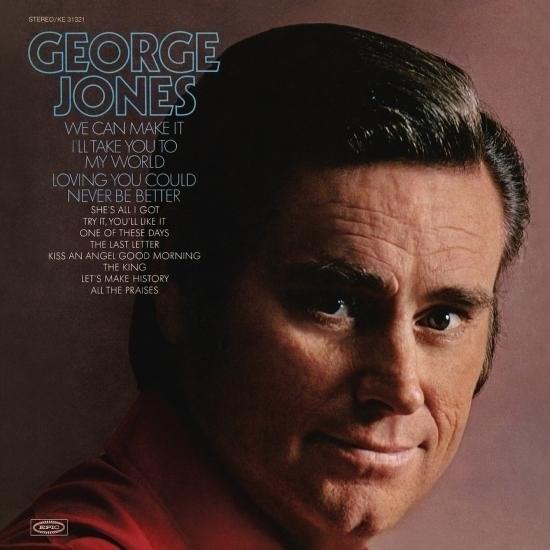
George Jones's "The Last Letter" isn't just a country ballad; it's a masterclass in wounded pride and passive aggression, served ice cold. The opening lines immediately establish a relationship on life support, riddled with accusations masked as questions. Jones isn't pleading so much as he's demanding an explanation for the emotional distance he feels. The core of the song hinges on this tension: a man simultaneously declaring his limited resources while subtly implying his emotional superiority. He can't offer material wealth, sure, but he offers something 'real,' something the shallow objects of her desire can't provide. It's a classic, and tragically familiar, negotiation tactic born of insecurity.
The second verse lays bare the fundamental power imbalance. Jones positions himself as the 'authentic' alternative to the siren song of wealth. It’s a gamble, betting that genuine connection outweighs fleeting pleasures. But the backhanded promise – 'take off the heartaches…the teardrops you'll save' – reveals the inherent bitterness. He's not just offering love; he's offering an escape from the very life he imagines she craves. It's a manipulative maneuver disguised as selfless devotion, a common thread in Jones's extensive catalog.
Ultimately, "The Last Letter" crescendos into a final, cutting paradox. The narrator anticipates the inevitable moment when the woman grows 'weary and tired' of her gilded cage, predicting her return to him like a self-fulfilling prophecy. Yet, the sting in the tail – 'if you don't love me I wish you would leave me alone' – exposes the fragility beneath the bravado. It's a desperate plea for closure, a preemptive strike against further rejection. The letter, ostensibly a final word, becomes a testament to the enduring, and perhaps self-inflicted, pain of unrequited love. This is the genius of Jones: he captures the messy, contradictory nature of heartbreak with unflinching honesty.
 View Artist