Song Meaning
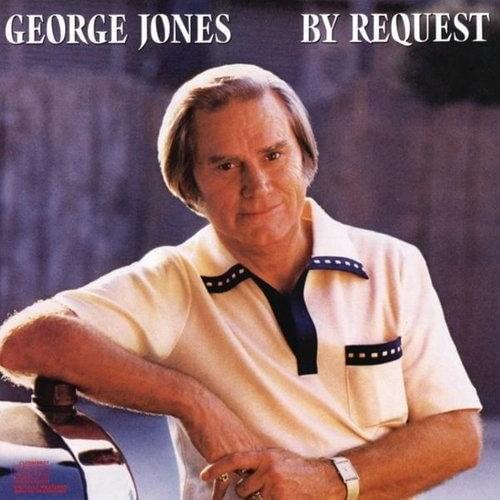
{"song_id": 11925559, "meaning": "George Jones's \"Still Doin' Time\" is less a country song than a psychological autopsy of self-inflicted suffering. It's a masterclass in how guilt can warp the perception of time and reality. The lyrics depict a man trapped not by external forces, but by the inescapable prison of his own remorse. The opening lines, \"Has it been a year, since the last time I've seen her / My God, I could swear it was ten,\" immediately establish the distorted temporal landscape of grief and regret. Time, the supposed healer, becomes a torturer, each moment stretched and amplified by the weight of his infidelity. The \"ocean of liquor\" isn't a solution; it's a self-destructive coping mechanism, a desperate attempt to numb the pain while simultaneously hastening his demise.
The genius of \"Still Doin' Time\" lies in its extended metaphor: the honky-tonk as a prison. This isn't just a clever lyrical device; it speaks to the cyclical, repetitive nature of addiction and self-punishment. The line \"when you're caught cheating twice / It's twenty to life in a place / Where the sun never shines\" isn't about legal repercussions; it's about the internal judgment, the unforgiving sentence he's imposed upon himself. The sun, a symbol of hope and renewal, is permanently absent in this landscape of perpetual regret. He's not seeking redemption; he's resigned to his fate.
Ultimately, the song's meaning transcends the simple narrative of a cheating man. It delves into the profound human capacity for self-destruction and the enduring power of guilt. The repetition of \"Still doin' time\" in the chorus underscores the feeling of being trapped in a loop, a prisoner of one's past. The \"honky tonk prison\" becomes a symbol of the mind itself, a place where memories and regrets fester, and where forgiveness—both from others and from oneself—remains perpetually out of reach. George Jones doesn't just sing about heartbreak; he embodies the slow, agonizing process of psychological imprisonment."}
 View Artist