Song Meaning
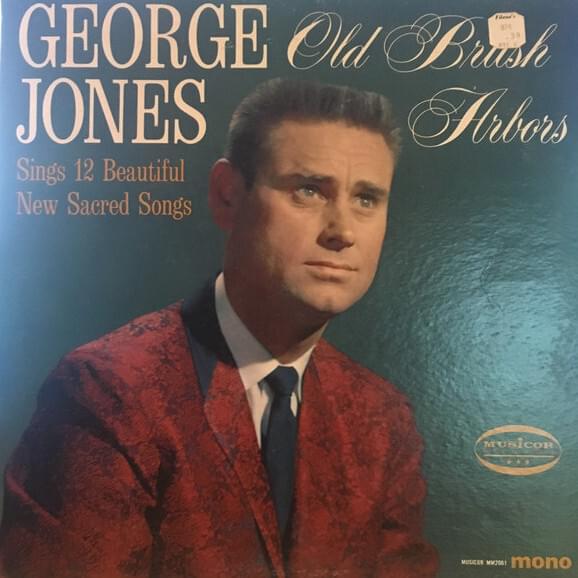
George Jones's rendition of "Lily of the Valley" isn't just a hymn; it's a raw, vulnerable testament to faith as the ultimate anchor. Stripped down to its core, the song meaning resides in the profound solace found in spiritual belief, a theme Jones, with his own turbulent life, undoubtedly understood intimately. The lyrics are steeped in traditional religious imagery, casting Jesus as not just a savior, but a constant companion and provider. The 'Lily of the Valley' metaphor, a classic symbol of purity and hope, underscores the transformative power of faith to cleanse and heal. For a performer who so often explored the depths of heartbreak and human failing, this song is a declaration of countervailing strength.
Beyond the religious symbolism, the song resonates with a deeper psychological yearning for security and unconditional love. Phrases like 'He will never, never leave me' and 'in trouble He's my stay' tap into our primal need for safety and permanence. The 'wall of fire' imagery speaks to a protective force, shielding the believer from life's inevitable hardships. Jones's delivery, while reverent, carries an undercurrent of personal conviction, suggesting that this isn't just a recited belief but a lived experience. The song offers a comforting narrative of divine support, promising not only earthly sustenance ('From His manna He my hungry soul shall fill') but also eternal reward.
Ultimately, "Lily of the Valley", in Jones's interpretation, becomes an exploration of faith as a bulwark against despair. It's a song about finding unwavering support in a world of constant change and uncertainty. The repeated refrain, 'He's the fairest of ten thousand to my soul,' emphasizes the deeply personal and subjective nature of this connection. It's a reminder that faith, at its heart, is an intimate relationship, offering a sense of belonging and purpose that transcends earthly limitations.
 View Artist