Song Meaning
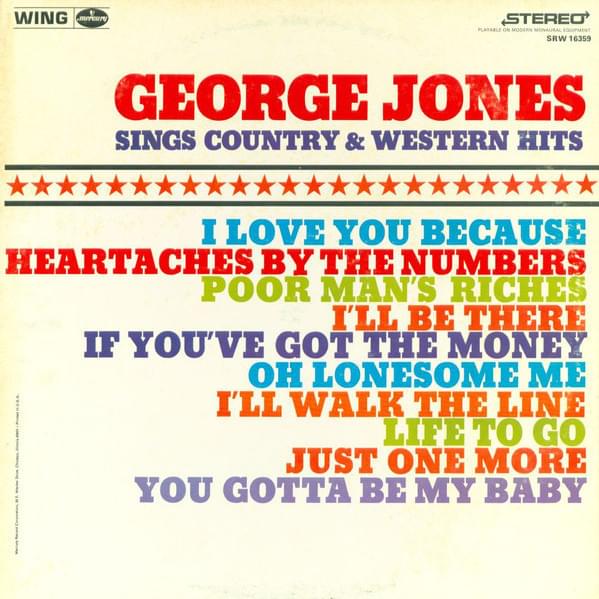
George Jones's "Life to Go" isn't just a country lament; it's a chilling exploration of time, regret, and the crushing weight of consequence. The song unfolds as a confession from a man imprisoned, not just by iron bars, but by the profound repercussions of a single, violent act. The opening lines establish the central paradox: he's been incarcerated for eighteen years, a seemingly interminable stretch, yet he still has "life to go." This isn't a celebration of longevity, but a stark acknowledgment that existence within these confines is a kind of living death, a perpetual sentence beyond the initial judgment. The repetition of the phrase "life to go" hammers home the point – time stretches endlessly before him, devoid of freedom or redemption. Time is the true prison. He is cursed with the awareness of all that he's lost, and all that he will lose.
The narrative recounts a familiar tale of temptation and tragedy. A night of drinking and camaraderie spirals into a fatal confrontation, triggered by words, a stark reminder of the destructive power of unchecked emotion. The "old friend," a figure who once held him in high regard, becomes a victim of a moment's rage. The casual mention of the knife is jarring, a brutal punctuation mark in the story of a life irrevocably altered. The song subtly hints at the psychological toll of imprisonment. His family fades into memory, particularly his wife and daughter. The line about his daughter not knowing or realizing her father's fate is particularly poignant, suggesting a deep-seated fear of being forgotten, of becoming a ghost in the lives of those he loves.
Ultimately, "Life to Go" is a stark meditation on the concept of time served versus a life truly lived. The protagonist may be physically alive, but his spirit is trapped, his potential extinguished. The repetition of "Yes, I've still got life to go" at the song's conclusion serves as a haunting refrain, emphasizing the bleak reality of his situation. The song strips bare the romanticized image of the outlaw, revealing the profound and lasting damage inflicted not only on the victim but also on the perpetrator, who is left to grapple with the endless burden of his actions. The lyrics subtly suggest that the true punishment lies not in the physical confinement but in the psychological prison of regret and remorse.
 View Artist