Song Meaning
George Jones, the bard of hard-won wisdom and honky-tonk survival, offers a masterclass in stoicism with "It Ain't Gonna Worry My Mind." This isn't a denial of hardship; it's a defiant shrug in the face of it. The song's power lies in its simple, almost conversational tone, a stark contrast to the operatic heartbreak Jones often delivered. He acknowledges the 'troubled times' and the empty pockets, realities familiar to much of his audience. But these troubles are presented as the background hum of existence, not existential crises. The key is perspective.
Jones finds solace not in material wealth or societal approval, but in the intangible: love and nature. 'Moonlight's been my only silver, the sun my only gold' is a powerful distillation of contentment. The suggestion that 'love is all that ever made you richer' flips the script on conventional notions of success. It's a radical idea, particularly within the often-materialistic framework of country music, and speaks to a deeper, more resilient understanding of what truly matters. The repeated refrain, 'It ain't gonna worry my mind,' isn't just a catchy hook; it's a mantra, a conscious choice to prioritize inner peace over external pressures.
Ultimately, "It Ain't Gonna Worry My Mind" is a lesson in cognitive reframing, decades before the term became a self-help buzzword. Jones isn't ignoring the challenges; he's actively choosing how to respond to them. The song suggests a profound acceptance of life's inherent uncertainties, finding freedom not in eliminating problems, but in controlling our reaction to them. It’s a testament to the enduring human capacity for resilience, delivered with Jones' signature blend of grit and grace. The final affirmation, 'Lord, You just know it ain't gonna worry my mind' seals the sentiment with a spiritual depth, a sense of trust and surrender to a higher power, reinforcing the song's profound message of unwavering peace.
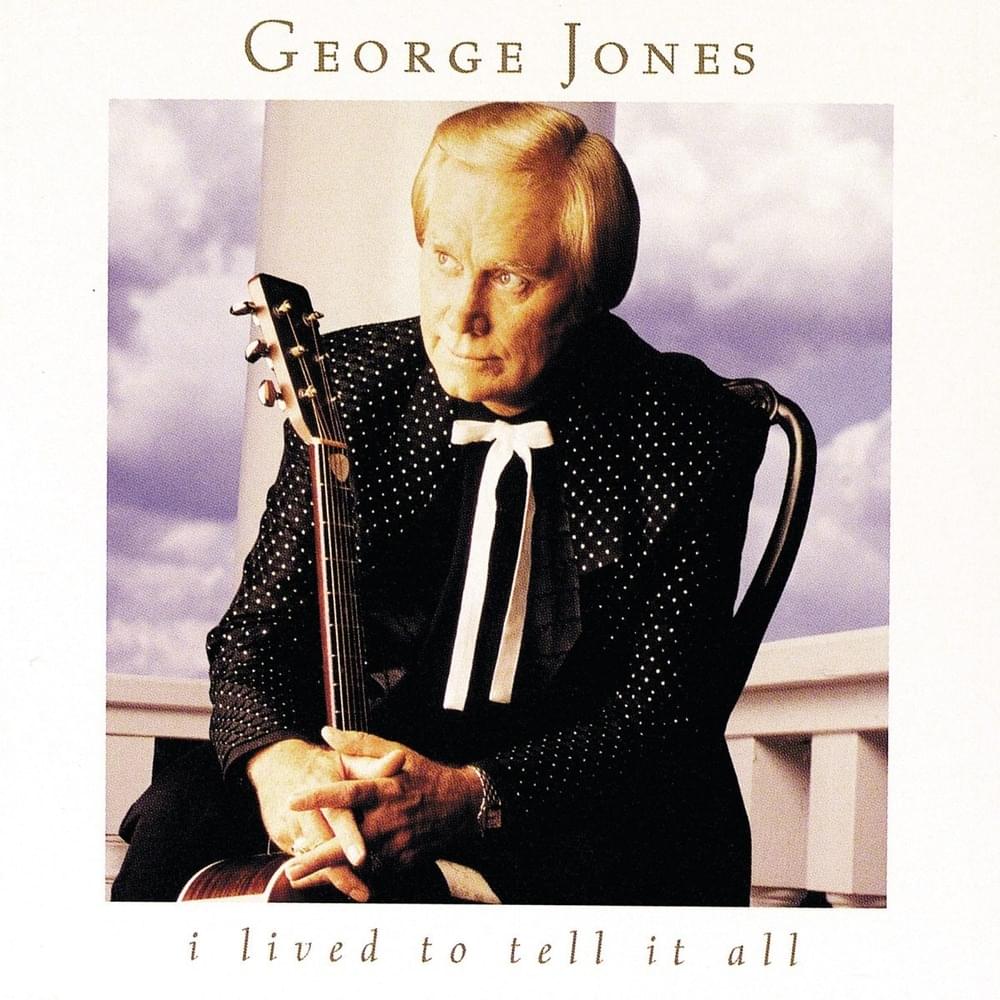
 View Artist