Song Meaning
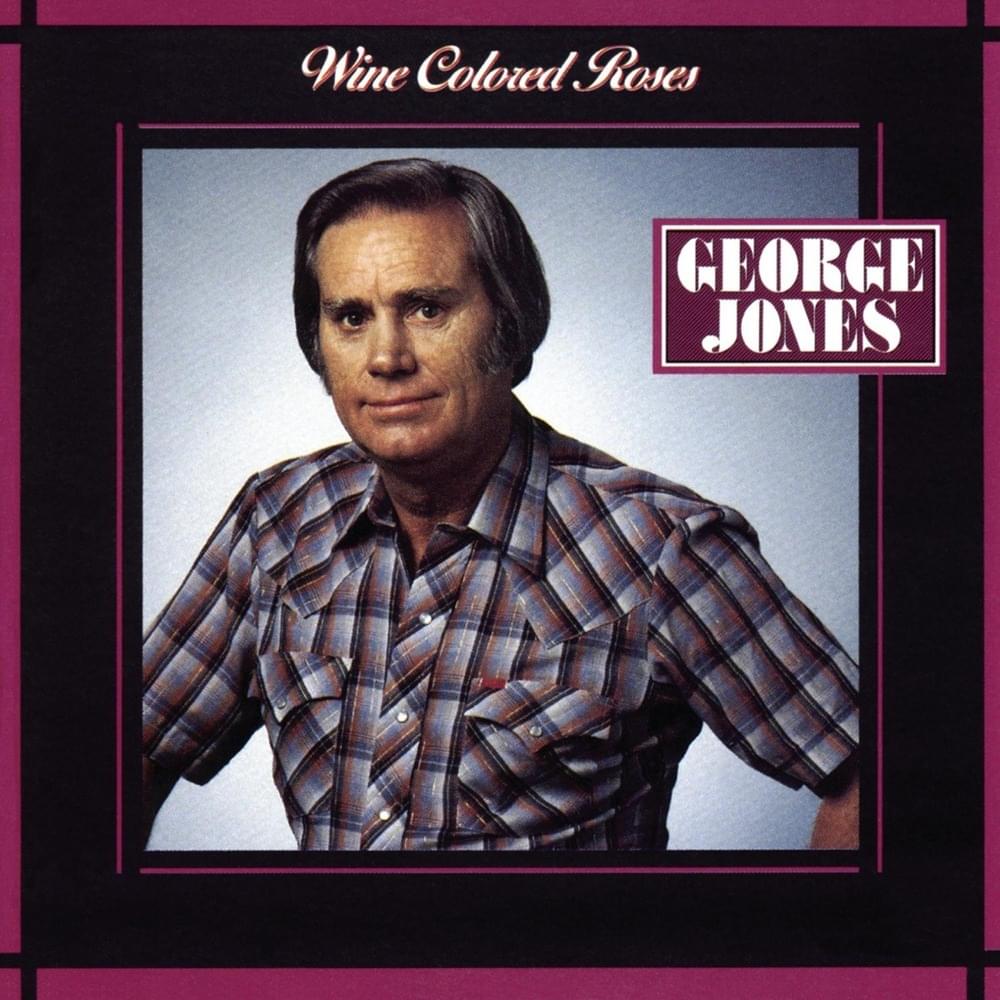
{"song_id": 11916928, "meaning": "George Jones, a voice synonymous with heartbreak and honky-tonk resilience, delivers a masterclass in dependency with \"The Tipping Point.” The song, on its surface, is a straightforward declaration of love and reliance. Yet, beneath the familiar country tropes of roses, bluebirds, and parched throats lies a complex portrait of a man teetering on the edge, his entire existence seemingly propped up by the presence of his lover. Jones isn't singing about partnership; he's articulating a primal need, a desperate clinging to the one anchor in his turbulent world. The lyrics paint a picture of existential vulnerability, where external forces – \"the world\" itself – are perceived as hostile and overwhelming.
The recurring line, \"When the world turns on me, I turn to you,\" isn't just a sweet sentiment; it's a stark admission of inadequacy. It suggests a fundamental inability to cope with life's challenges independently. The natural world offers comforting metaphors – rivers flowing, embers fading – but they ultimately lead back to the central, almost desperate plea: \"Not half as much as I need you.\" This isn't the language of reciprocal love; it's the language of profound need, bordering on obsession. The 'tipping point' itself isn't explicitly named, but it's heavily implied: the moment when self-sufficiency crumbles, and the singer is entirely dependent on his partner for survival, both emotional and perhaps even psychological.
Ultimately, \"The Tipping Point\" offers a glimpse into the darker recesses of romantic dependency. While cloaked in the comforting familiarity of classic country music, the song's meaning resides in its stark honesty. George Jones, the master of conveying raw emotion, lays bare the unsettling truth that love can sometimes be less about mutual support and more about one person's desperate attempt to avoid complete collapse. It’s a sentiment that resonates with anyone who has ever felt the weight of the world and sought refuge in the arms of another, questioning the balance between love and a potentially unsustainable reliance."}
 View Artist