Song Meaning
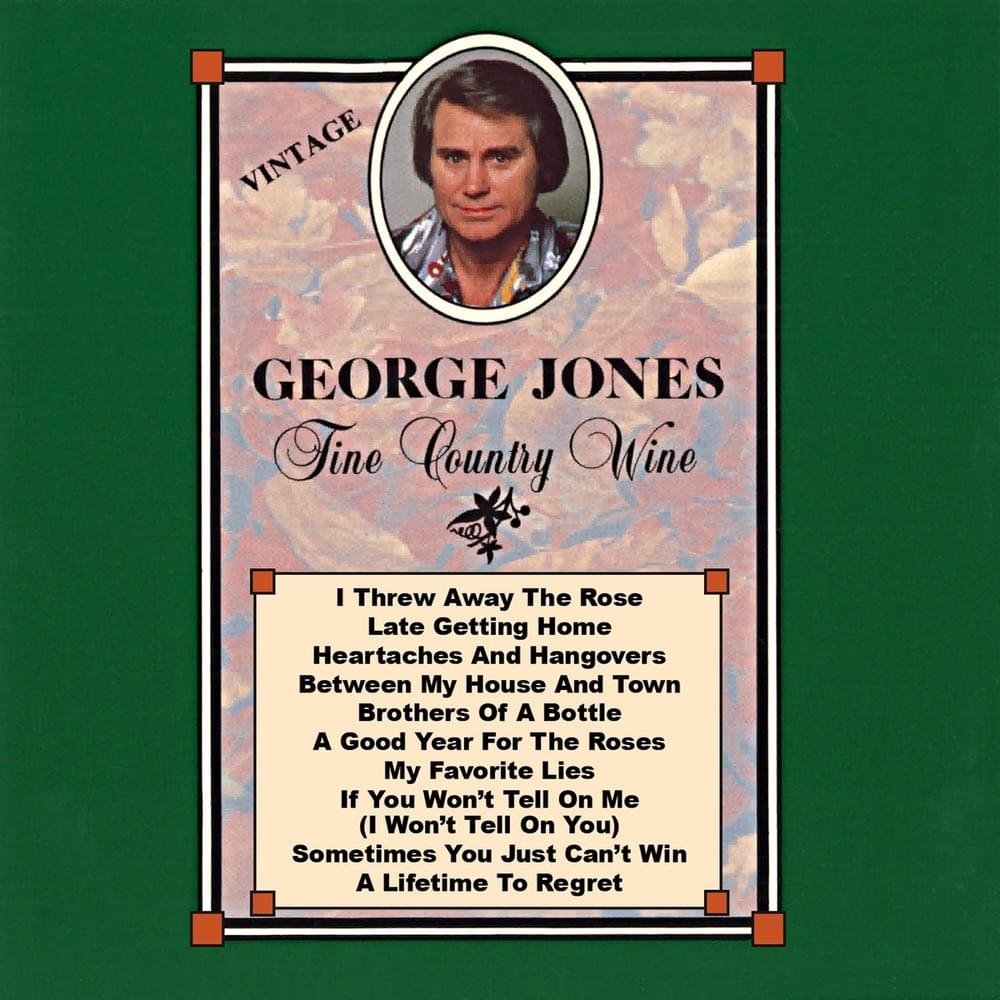
George Jones' "Painful Hope" is not just another country lament; it's a stark psychological portrait of self-destruction masked in the glittering facade of a life lived too hard. The opening lines, dripping with the clichéd promise of "wine and roses," quickly unravel to reveal a deeper, more insidious truth: the seductive allure of fleeting pleasure often conceals a devastating personal cost. Jones isn't merely singing about regret; he's dissecting the anatomy of addiction. The "one concern" initially driving him – presumably success – becomes perversely intertwined with the very thing that destroys it. His "social friends," initially perceived as allies, become judgmental observers as his life spirals. The brilliance here lies in the economy of language. Jones doesn't belabor the point; he trusts the listener to understand the symbolic weight of discarded "rose" – love, opportunity, genuine connection – sacrificed at the altar of the bottle.
The recurring line, "now I'm paying for the days of wine and roses," isn't a simple admission of guilt; it's a protracted, agonizing reckoning. The phrase "victim of the drunken life I chose" is particularly potent. While Jones acknowledges agency in his downfall, the use of "victim" hints at the insidious power of addiction, transforming choice into compulsion. It's a crucial distinction, highlighting the complex interplay between personal responsibility and the neurological hijacking that defines substance abuse. The image of "social friends" looking down their noses encapsulates the profound sense of isolation that accompanies addiction. It's not just the physical isolation of being alone with the bottle, but the deeper emotional isolation of being judged and ostracized by those who once celebrated his success.
Ultimately, "Painful Hope" resonates because it taps into a universal fear: the fear of losing control, of trading long-term fulfillment for short-term gratification. The song's power lies not just in its lyrical content, but in Jones' delivery. His voice, weathered and worn, carries the weight of experience, transforming the song from a cautionary tale into a visceral, emotionally resonant confession. The song’s narrative arc, from hopeful ambition to desolate regret, paints a picture of addiction's gradual, insidious takeover. It's a reminder that the pursuit of fleeting pleasures can lead to a painful reckoning, leaving behind a legacy of lost opportunities and broken relationships.
 View Artist