Song Meaning
{"song_id": 11921281, "meaning": "George Jones's \"I Don't Go Back Anymore\" is a masterclass in country heartbreak, a study in the psychology of self-preservation after a devastating relationship. It isn't just about the end of love; it's about the conscious, agonizing effort to *stay* away, even when the pull is almost unbearable. The opening lines immediately establish the internal conflict: the singer hears rumors of his former lover's presence, triggering a cascade of emotions he's desperately trying to suppress. The admission that he's only \"over my anger\" hints at the deeper, unresolved pain beneath the surface. This isn't a clean break; it's a fragile truce with his own vulnerability. The song meaning resides in that narrow space between lingering desire and the hard-won knowledge that revisiting the past will only lead to more suffering.
The lyrics paint a vivid picture of a man battling his own instincts. The repeated declaration, \"I don't go back anymore,\" isn't a statement of strength, but a mantra recited to ward off temptation. The metaphor of a heart with locked windows and bolted doors perfectly captures the defensive posture he's adopted. He recognizes the danger she poses, acknowledging that he would \"fall again\" if he didn't know her true nature. This awareness is crucial; it's the intellectual understanding that keeps him from succumbing to the emotional pull. The imagery of \"trying to hold back the sea from the shore\" powerfully conveys the futility of fighting against such primal urges, further emphasizing the magnitude of his struggle.
Ultimately, \"I Don't Go Back Anymore\" is a song about the long, arduous process of healing and the constant vigilance required to protect oneself from further heartbreak. It’s about recognizing a toxic pattern and choosing self-preservation, even when every fiber of your being yearns for the familiar comfort of the past. George Jones isn't just singing about heartbreak; he's dissecting the anatomy of it, revealing the raw, vulnerable core that lies beneath the surface of country music's most enduring themes."}
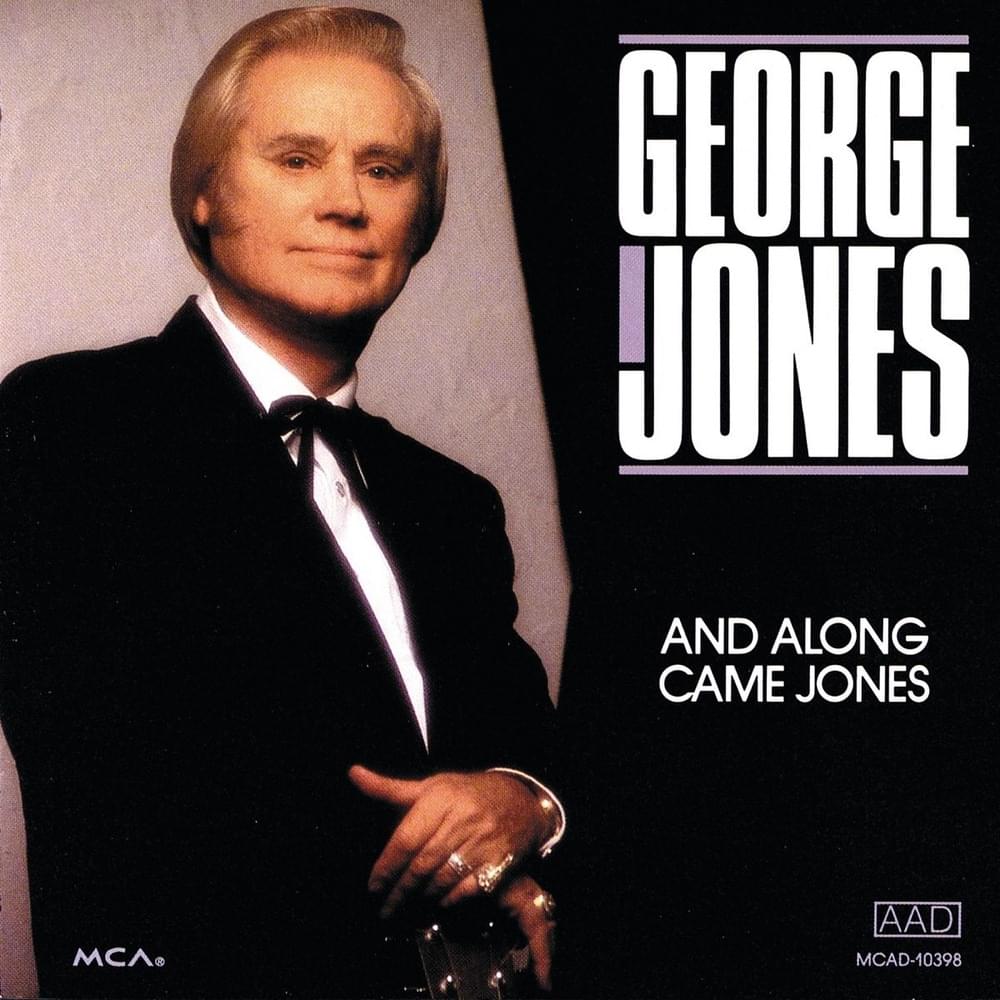
 View Artist