Song Meaning
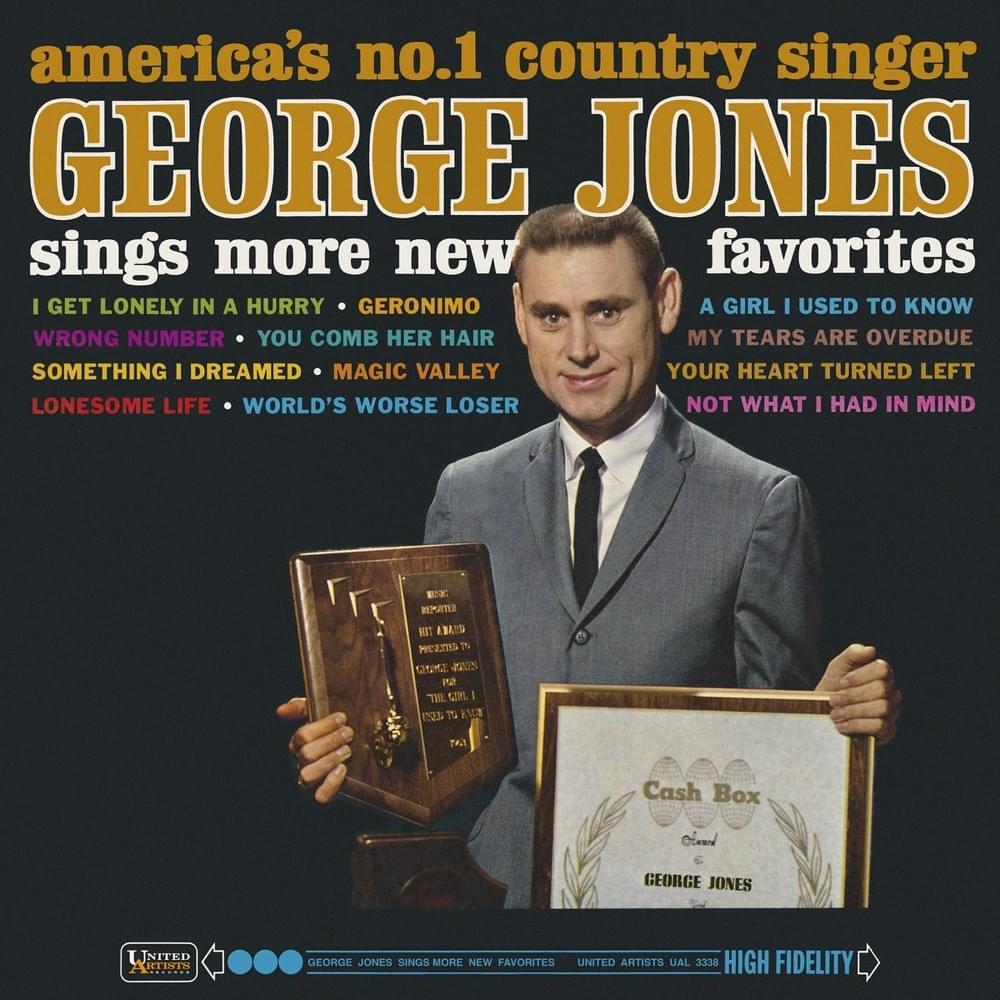
{"song_id": 11925624, "meaning": "George Jones's \"Geronimo\" isn't just a country song; it's a stark, unflinching portrait of a legend refracted through the lens of American myth-making. The track wastes no time plunging into the conflicted legacy of the Apache warrior, a figure simultaneously revered and reviled. Jones doesn't shy away from the violence attributed to Geronimo, acknowledging the \"bloody battle trail\" and the terror he instilled. Yet, the song subtly challenges the listener to consider the context of that violence – a desperate fight for survival against encroaching settlers and a government intent on cultural annihilation. The repetition of \"Geronimo\" throughout the song functions as both a war cry and a lament, echoing the name across generations.
The genius of Jones's interpretation lies in the ambiguity he preserves. The lyrics pointedly note the multiple, contradictory labels applied to Geronimo: \"renegade,\" \"chief,\" \"warrior,\" \"thief.\" This refusal to offer a simplistic judgment highlights the complex moral landscape of the Wild West, where heroism and villainy often blurred. The assertion that \"this Cherakowa red man no braver hero falls / Apache brave and no one's slave he feared no man at all\" is a powerful statement of defiance and self-determination, reclaiming Geronimo's narrative from the dominant, often biased, historical accounts. The song implicitly asks: is he a terrorist or a freedom fighter?
Ultimately, \"Geronimo\" transcends a simple historical retelling. It's a meditation on the enduring power of a name, a symbol of resistance that continues to resonate. Jones's rendition, imbued with his signature blend of grit and pathos, transforms Geronimo into an almost archetypal figure – a reminder of the costs of conquest and the enduring spirit of those who refuse to be subjugated. The song's cyclical structure, returning repeatedly to the chanted name, reinforces the idea that Geronimo's legacy is not confined to the past but remains a potent force in the American consciousness."}
 View Artist