Song Meaning
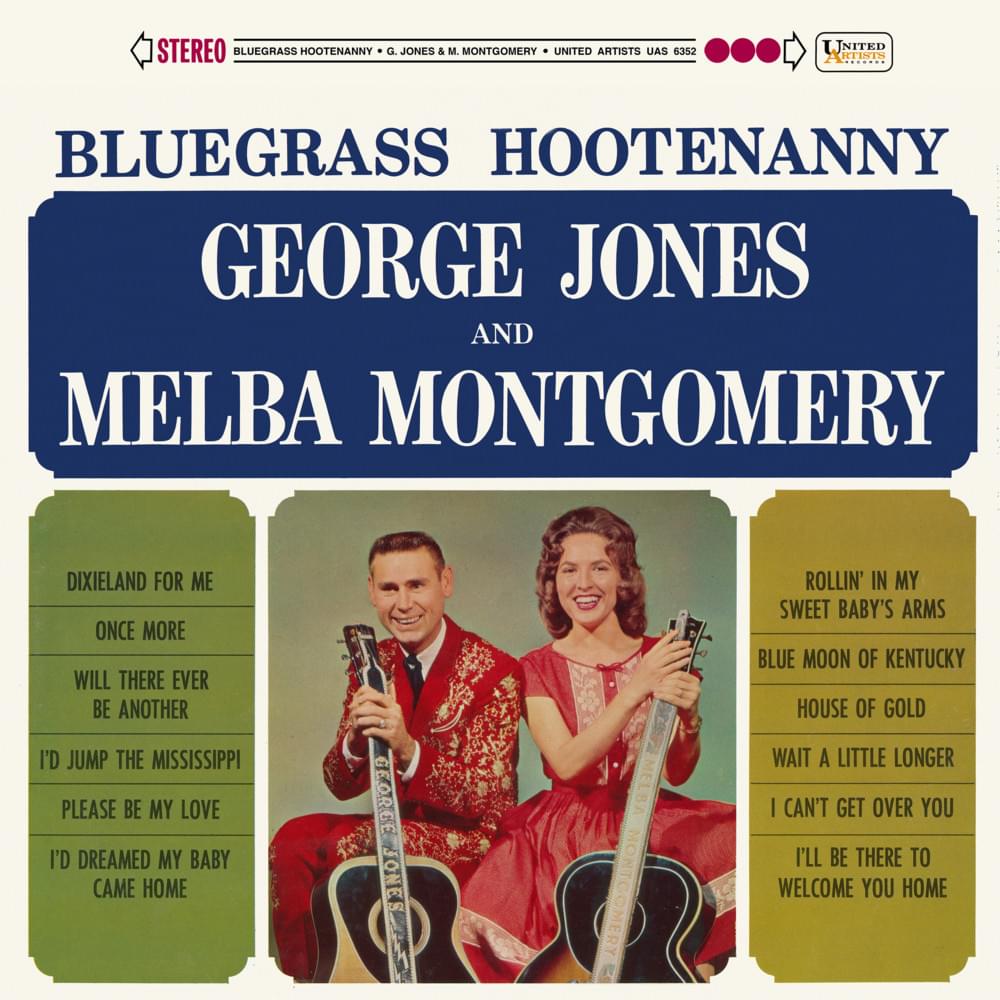
George Jones, the bard of broken hearts, distills longing to its purest, most desperate form in "Once More." The song isn't a narrative as much as a raw, exposed nerve. It's the sound of a man bargaining with fate, offering everything he has – a fortune, his very freedom – for just one more night, one more embrace. The repetition of "once more" underscores the obsessive nature of the desire; it's a loop of yearning, with no clear beginning or end. He's trapped in the echo chamber of lost love. The almost transactional nature of the lyrics – "I'd give a fortune," "I'll be your slave" – hint at a power imbalance within the relationship, a dynamic where the singer is willing to debase himself for a fleeting moment of connection. It's a portrait of vulnerability weaponized, a plea masked as an offer.
The lyrical simplicity is deceptive. The phrases "forget the past" and "this hurt can't last" aren't pronouncements of healing, but fragile hopes, desperately clinging to optimism. The acknowledgment of past hurts is a tacit admission of culpability. He knows things weren't perfect, but he's willing to overlook everything for another chance. The instrumental break serves as a moment of reflective silence, amplifying the desperation. It's the space where the singer's internal monologue rages, where the weight of his yearning truly settles.
Ultimately, "Once More" is a masterclass in emotional economy. Jones doesn't need elaborate storytelling or complex metaphors. He understands that the most profound expressions of love and loss are often the simplest. The song's power lies in its honesty, its willingness to expose the raw, sometimes humiliating, depths of human desire. It's a reminder that love, at its most intense, can reduce us to our most vulnerable selves, willing to sacrifice everything for a taste of what we've lost. The song meaning resides in the timeless, universal experience of wanting what you can't have, and the lengths you'll go to in pursuit of it.
 View Artist