Song Meaning
The lyrics present a radical redefinition of divinity, stripping away external concepts to focus on internal experience. The narrator asserts that "God is a concept by which we measure our pain," a stark declaration that frames faith not as divine truth, but as a human coping mechanism for suffering. This initial statement sets a tone of profound skepticism towards traditional religious and even secular belief systems. The repeated emphasis on "pain" underscores the deeply personal and often agonizing nature of existence that prompts such conceptualizations.
The core of the song lies in a systematic dismantling of external authorities and belief structures. The narrator lists a barrage of things they "don't believe in," ranging from spiritual practices like I Ching, Bible, Tarot, and mantra, to historical and cultural figures like Hitler, Jesus, Kennedy, Buddha, kings, Elvis, Zimmerman, and even the Beatles. This extensive negation serves to clear the slate, rejecting all external saviors, ideologies, and even artistic icons that have historically held sway over human belief and identity. The sheer breadth of this rejection highlights a profound disillusionment with anything outside the self.
The most striking craft element is the stark contrast between the exhaustive list of disbelief and the simple, direct affirmation that follows: "I just believe in me / Yoko and me / And that's reality." This pivot is not just a statement of self-reliance but a declaration of a new, intimate trinity. The subsequent lines about "the dream is over" and the narrator being "reborn" from being "the Walrus" to simply "John" suggest a shedding of past personas and illusions. This rebirth is anchored in this new, personal reality, signifying a radical acceptance of the present and the immediate relationships that define it.
This lyrical construction is effective because it moves from a universal, abstract concept of pain to a hyper-specific, personal reality. The exhaustive list of disbelief creates a sense of catharsis, clearing the ground for the radical self-acceptance that follows. By rejecting all external gods and saviors, the narrator arrives at a place of profound, albeit potentially isolating, self-possession. The finality of "The dream is over" coupled with the simple declaration of belief in oneself and a partner offers a powerful, unvarnished statement of personal truth.
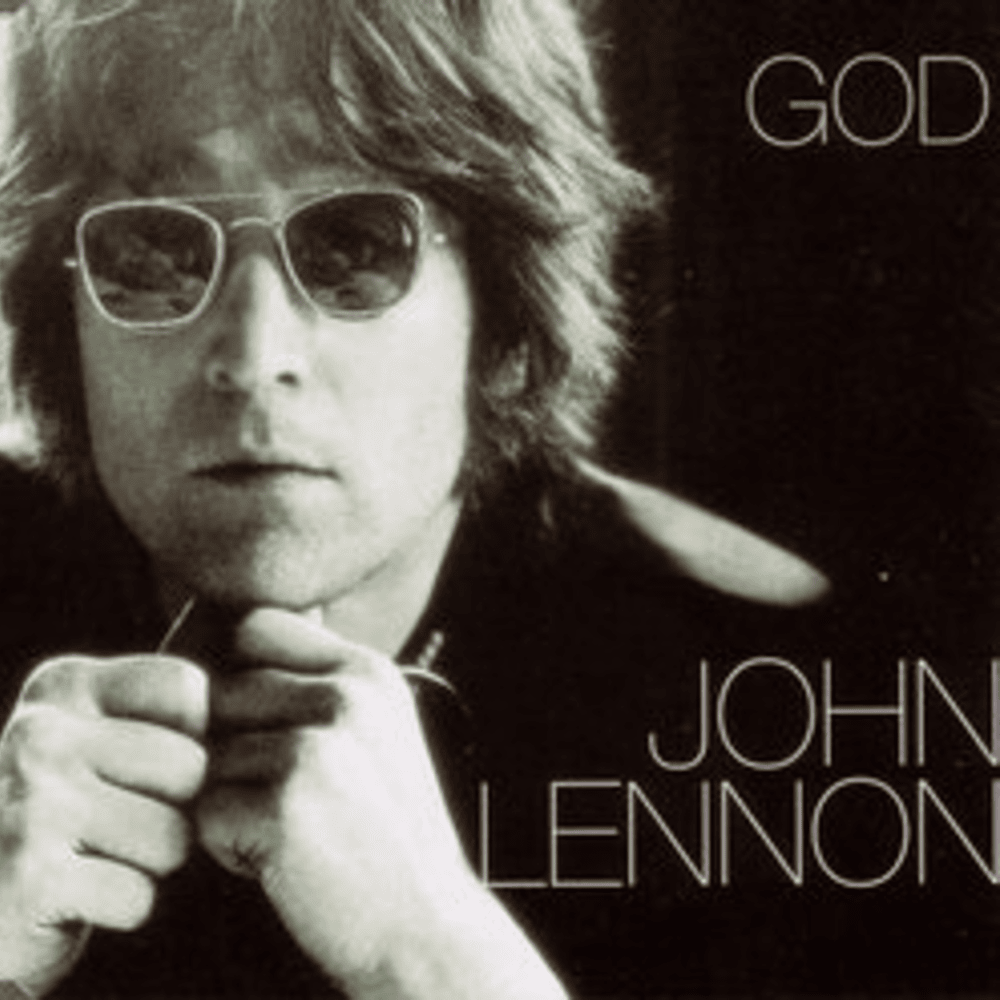
 View Artist