Song Meaning
The narrator is at a breaking point, tired of a cycle of worry and familiar troubles. There's a stark declaration to leave it all behind, but this departure is contingent on being left alone, suggesting a need for space to process or escape. The immediate emotional texture is one of weary resignation mixed with a flicker of determined resolve.
This sets up a central tension: the narrator's desire for freedom versus the potential consequences of their actions, specifically in the context of a relationship. The repeated conditional "If" in the chorus highlights this uncertainty. They acknowledge that continuing to love someone, or the act of leaving itself, might be a mistake, but they're willing to face that possibility. It’s a gamble on personal peace over relational stability.
The most striking craft element is the persistent use of conditional phrasing, "If I go on loving you / If to leave is a mistake / If I'm wrong in what I do." This isn't a confident assertion of a right decision, but rather an acceptance of potential error. The phrase "That's the chance I'll have to take" acts as a defiant, almost fatalistic, acceptance of this uncertainty. It frames a difficult choice not as a clear path, but as a necessary risk.
Ultimately, the lyrics resonate because they capture that universal feeling of needing to break free from a draining situation, even when the exit strategy is fraught with doubt. The narrator’s willingness to embrace the unknown, to accept potential fault, is what gives the song its raw, relatable power. It’s the sound of someone choosing self-preservation, consequences be damned.
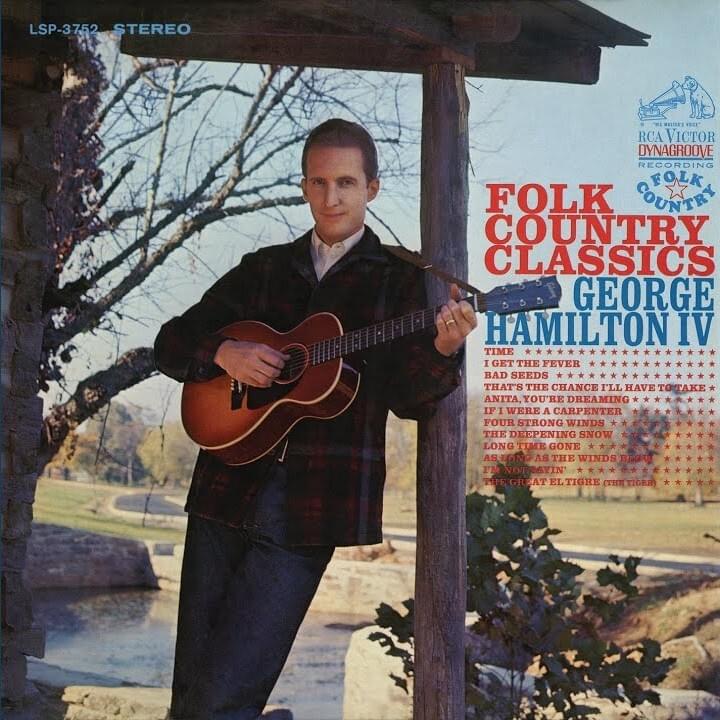
 View Artist