Song Meaning
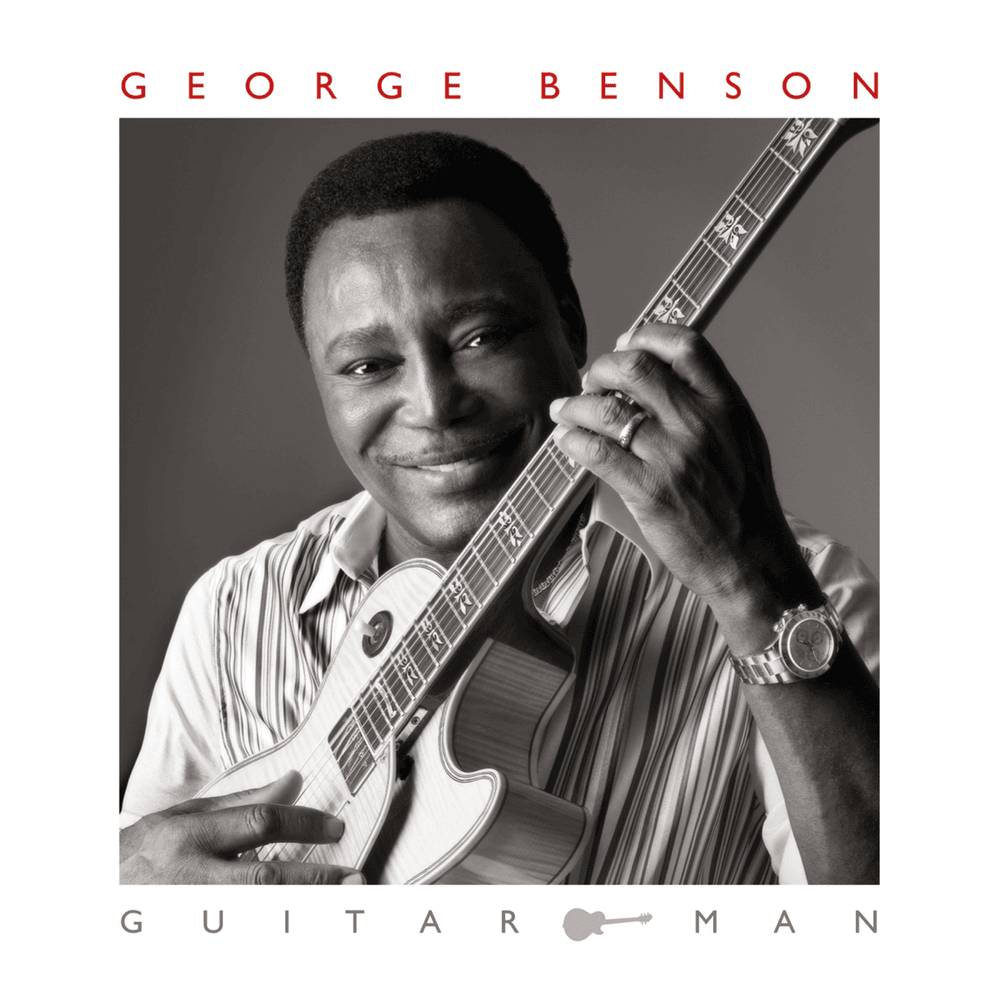
George Benson's rendition of "Since I Fell for You" isn't just a song; it's a masterclass in the psychology of unrequited affection. The core of the song's meaning resides in the agonizing push-and-pull of a love that offers little to no reciprocation. The lyrics paint a portrait of someone acutely aware of the imbalance – "When you just give love / And never get love / You'd better let love depart" – yet utterly powerless to break free. This speaks to the deeply ingrained human tendency to cling to familiar patterns, even when those patterns cause demonstrable pain. The song embodies the Freudian concept of repetition compulsion, where the protagonist is caught in a loop of seeking love from a source that consistently withholds it, driven by some unconscious need or unresolved trauma.
Benson's interpretation, steeped in bluesy undertones, amplifies the inherent melancholy of the lyrics. The repeated line, "Since I fell for you," acts as both an explanation and a lament. It's the pivotal moment, the point of no return where rational thought succumbs to the overwhelming force of emotion. The phrase suggests a loss of agency, as if falling in love was an accidental plunge into a dark abyss. This feeling is further reinforced by the line, "Love brings such misery and pain / I guess I'll never be the same." The song acknowledges the transformative, often destructive, power of love when it's not grounded in mutual respect and affection.
Ultimately, the song meaning of "Since I Fell for You" lies in its raw portrayal of vulnerability and the human capacity for self-deception. The line "You love me / Then you snub me / But what can I do / I'm still in love with you" encapsulates the irrationality of the heart. It’s a testament to the fact that love, in its most desperate forms, can override logic and self-preservation, leaving us trapped in cycles of longing and disappointment. The song isn't just about heartbreak; it's about the psychological complexities that keep us tethered to relationships that wound us.
 View Artist