Song Meaning
George Benson's rendition of "Just One of Those Things" casts a bittersweet glance back at a fleeting romance, dissecting the anatomy of an affair destined for a rapid, spectacular burn-out. The song's genius lies in its nonchalant delivery, a kind of sophisticated shrug that masks a deeper, more poignant understanding of love's impermanence. It's not a lament, but rather an acceptance of the transient nature of passion, acknowledging that some connections, however intoxicating, are simply not built to last. The lyrics paint a picture of a whirlwind romance, a "trip to the moon on gossamer wings," suggesting a flight of fancy fueled by spontaneity and perhaps a touch of naiveté. This wasn't a love built on solid ground, but rather a soaring adventure, beautiful yet inherently unsustainable. The repetition of "just one of those things" acts as a mantra, a way of processing and categorizing the experience, preventing it from becoming a source of lingering pain.
The narrator isn't wallowing in heartbreak; instead, there's a sense of wry amusement and detached observation. The phrase "painting the town" evokes images of carefree abandon, hinting that the relationship thrived on shared experiences and fleeting moments of joy. However, the underlying awareness that the "love affair was too hot not to cool down" suggests a premonition of its inevitable demise. This awareness doesn't detract from the experience; rather, it adds a layer of complexity, acknowledging that even in the midst of passion, there's a subtle understanding of its limitations. The almost casual "goodbye, dear, and Amen" further reinforces this sense of acceptance, a recognition that endings are a natural part of the human experience.
Ultimately, George Benson's interpretation transforms "Just One of Those Things" into a sophisticated meditation on love, loss, and the art of moving on. It's a reminder that not all relationships are meant to be lifelong commitments, and that sometimes, the most memorable experiences are the ones that burn brightest and fade fastest. The song's enduring appeal lies in its ability to capture the bittersweet essence of fleeting romance, acknowledging its beauty and its ephemerality with equal measure. It suggests a psychological maturity, the ability to appreciate the moment without clinging to the illusion of permanence.
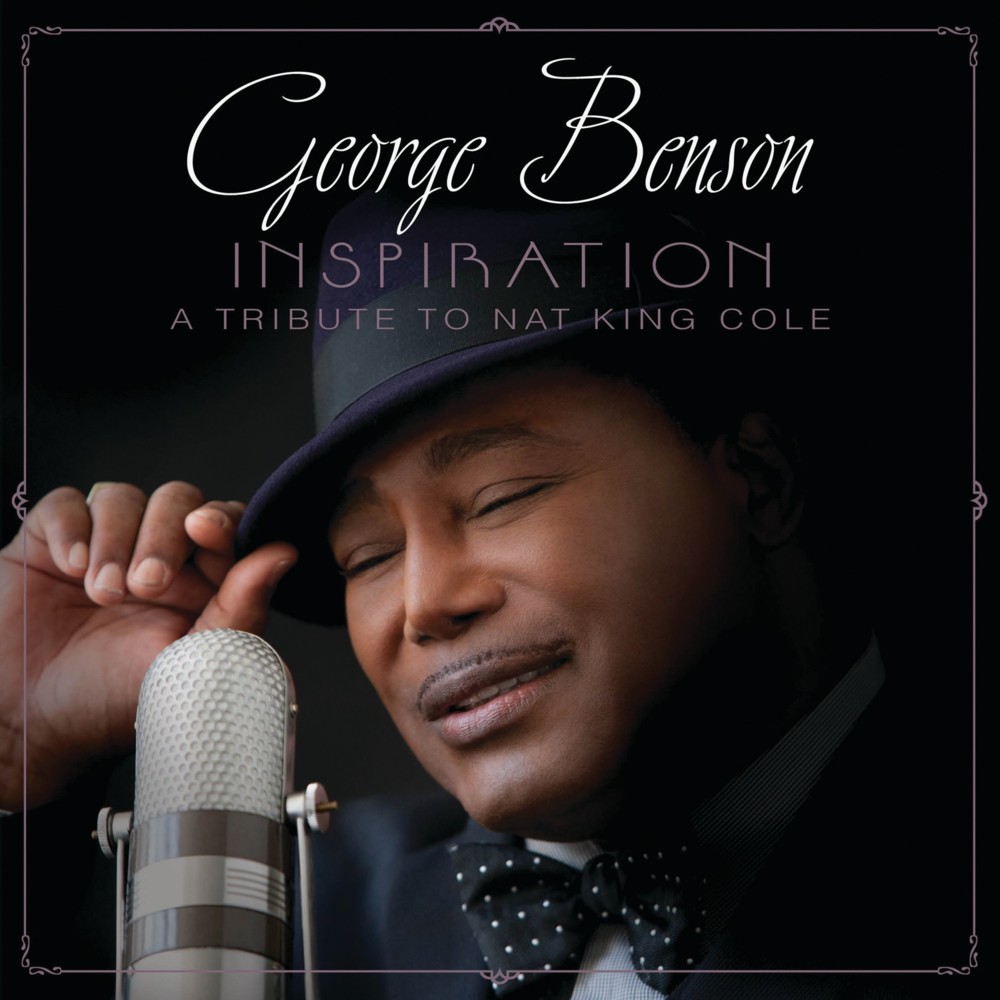
 View Artist