Song Meaning
The core desire here is a paradox: to be intimately connected yet maintain a sense of personal space. The narrator wants to be "alone, together," a phrase that perfectly captures the delicate balance of a new relationship where closeness is sought without the pressure of total immersion. This isn't about isolation; it's about a shared solitude, a bubble built for two where the outside world fades away. The repeated emphasis on taking things "slow, forever" underscores a yearning for a lasting connection that isn't rushed, prioritizing deep understanding over fleeting passion.
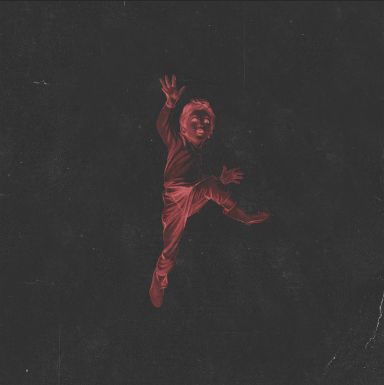
The lyrics paint a picture of someone captivated, to the point of feeling childlike wonder and a desire for constant companionship. When the narrator gets the other person "on my mind," the immediate impulse is to create a shared narrative, offering an "alibi" that suggests a desire to protect or shield this burgeoning connection. This protective instinct, coupled with the feeling of looking "a lot like a little child," hints at a vulnerability and a profound emotional impact the other person has, making the narrator want them "by my side."
The most striking element is the internal conflict between a familiar, perhaps stagnant, mental state and the transformative power of this new connection. The narrator admits to "wearing down the same path in my mind," suggesting a routine or a way of thinking that's been in place for a while. However, the presence of the other person, the fact that "we got all here when you're walking by," is so significant that it prompts a willingness to "change it too." This willingness to alter one's own ingrained patterns for someone else is a powerful testament to the depth of the attraction.
Ultimately, the effectiveness of these lyrics lies in their honest portrayal of a specific, yet universally understood, romantic tension. The desire for deep intimacy without losing oneself, the feeling of being seen and wanting to protect that vision, and the willingness to grow for another person are all rendered with a simple, direct language. The repeated chorus acts like a mantra, reinforcing the central, slightly contradictory, wish for a profound connection built on shared, unhurried moments.
 View Artist