Song Meaning
The lyrics paint a vivid picture of a town submerged in deep night, where the moon's absence amplifies the shadows and lends a mystical aura to the surroundings. There's a palpable sense of hushed anticipation, as the air itself seems to hold its breath, carrying unseen movements and transforming ambient sounds into the very voices of the night. This creates an atmosphere that is both eerie and enchanting, a liminal space where the ordinary world feels suspended.
The central tension emerges from the blurring of boundaries between the known and the unknown, the tangible and the spectral. The "mystical figures" and the "trembling air" suggest a presence that is felt but not seen, a subtle encroachment of the supernatural or the subconscious into the mundane setting of the town. The repetition of "whispering" on the "edge of twilight" further emphasizes this sense of secrets being exchanged just beyond the threshold of perception, a constant murmur that hints at hidden narratives.
The most striking aspect of the craft is the manipulation of time and perception, particularly in the final verse. The concept of "elusive time" caught in a "never-ending mime" suggests a state of stasis or a loop, where moments are repeated without progression. This is powerfully juxtaposed with the transition from the "edge of twilight" into the "darkness of day," a phrase that itself feels like a paradox, implying a dawn that is not bright but rather an extension of the night's mystery, further deepening the enigmatic mood.
These lyrics resonate because they tap into a primal feeling of being on the cusp of revelation, where the familiar world gives way to something more profound and unsettling. The deliberate ambiguity, the focus on sensory details that are just out of reach, and the paradoxical imagery combine to create a potent psychological landscape. It’s the feeling of being awake when the world sleeps, privy to its quietest, most mysterious moments.
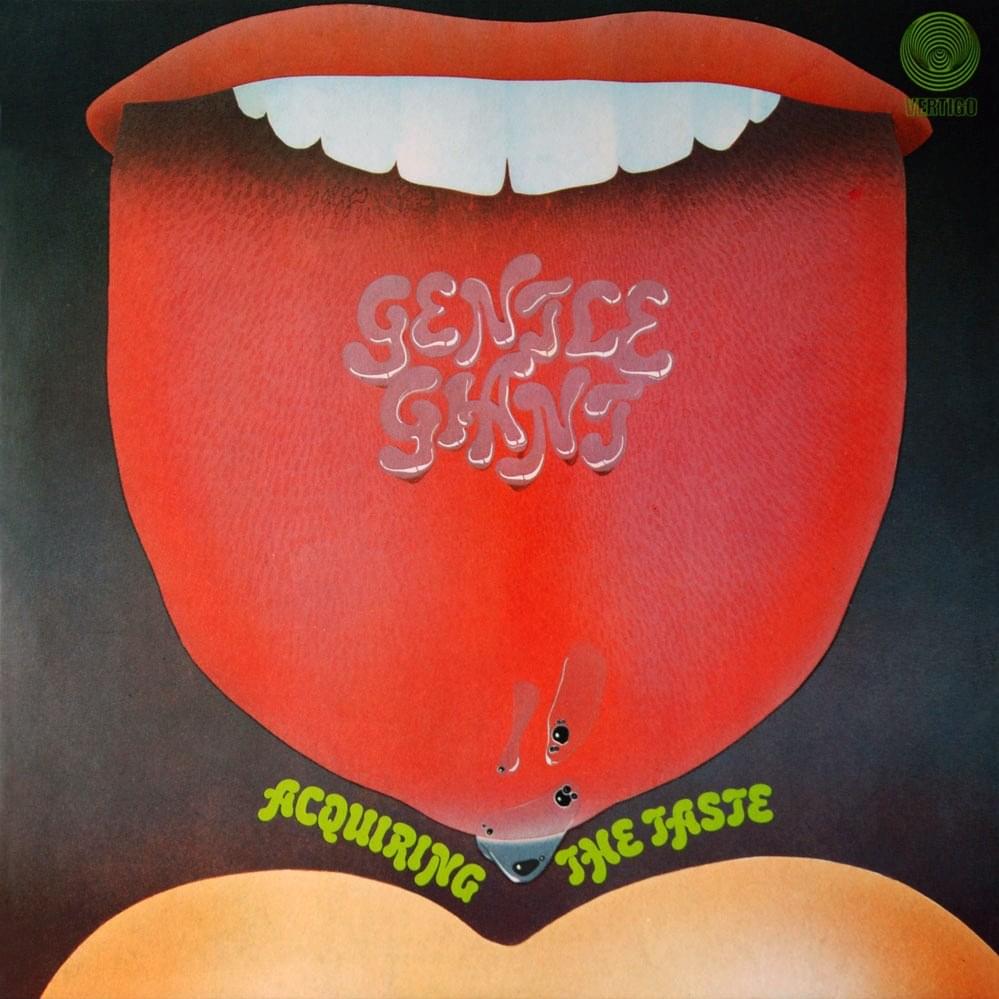
 View Artist