Song Meaning
The narrator introduces himself with a forceful declaration: "Io sono Sparo Manero, ora noto come il Turco." He immediately establishes a tone of aggressive authenticity, warning listeners that if they don't understand, he'll make them. This sets up a narrative rooted in a specific, gritty urban reality, stretching from "qui ad Acapulco" – a hyperbolic gesture suggesting widespread influence or ambition. The lyrics paint a picture of someone driven by instinct, navigating a "mondo assurdo" and identifying deception with sharp intuition. He describes nocturnal wanderings through "ste strade," calling for the "borgate" to raise their hands, signifying a call to his community.
The core tension lies in the contrast between the narrator's raw, street-level authenticity and the perceived superficiality of others. He explicitly rejects imitation, stating "Non faccio cover, faccio musica seria," and declares his focus on "problemi, di quartieri e di miseria." This is juxtaposed with dismissive references to wealth and status, like "ma vaffanculo alla tua villa." He even invokes iconic figures like Totti and Jay-Z to highlight his own distinct identity and purpose, emphasizing that he's not trying to be someone else but rather to represent his own truth and background.
A particularly striking element is the narrator's self-definition through his connection to place and community. He asserts, "Stai a capì qui c' è storia, qui c' è un nome / Qui c' è una terra, una città, una nazione." This isn't just about personal identity; it's about embodying a collective spirit, specifically "sano rap romano." The repeated emphasis on "qui" grounds his narrative in a tangible locale, suggesting that his music is an extension of his environment and the experiences shared within it. The closing line, "Piacere sono il Turco e questo è sano rap romano," serves as a final, confident affirmation of this identity and artistic lineage.
This lyrical approach is effective because it grounds its braggadocio in a palpable sense of place and purpose. The narrator isn't just boasting; he's staking a claim for his reality and his art form. By contrasting his own substance with the perceived fakery of others, and by deeply rooting his identity in "Roma," he creates a compelling narrative of integrity. The aggressive delivery and specific cultural references make his declaration of "sano rap romano" feel earned and resonant with those who understand that specific context.
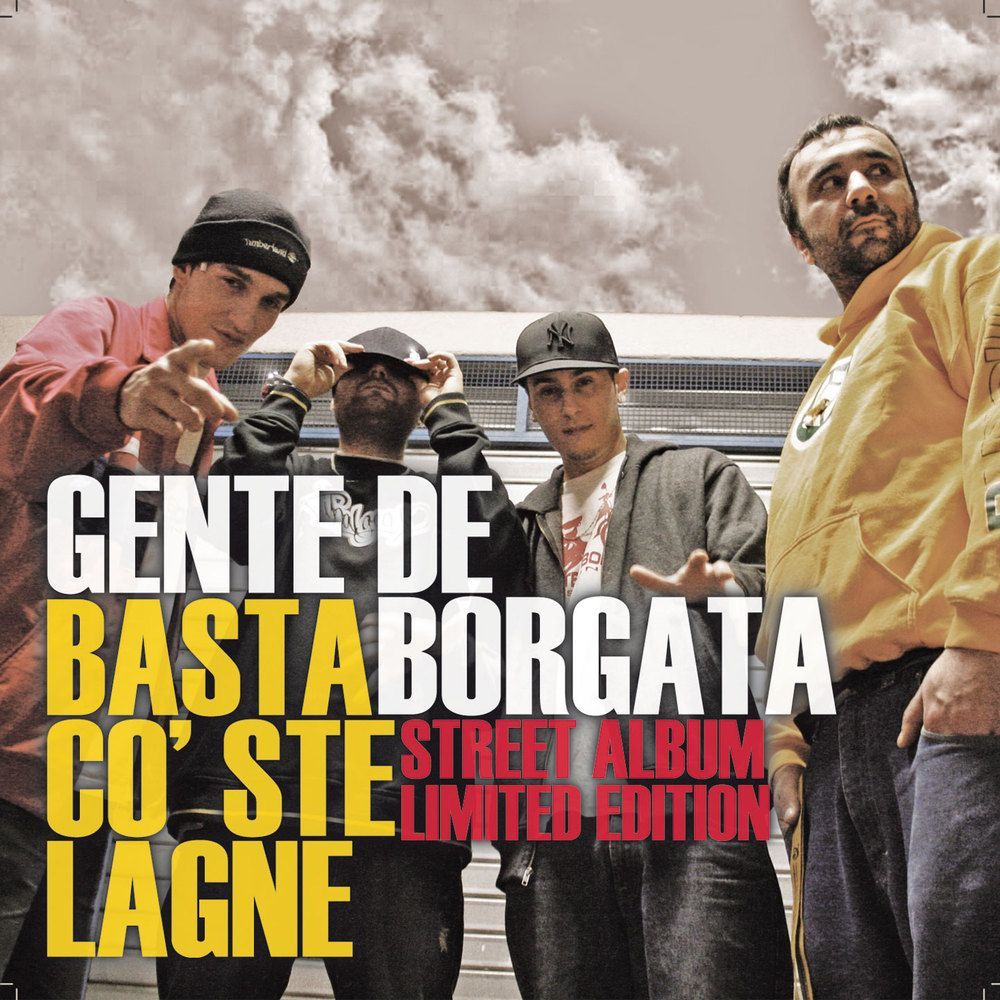
 View Artist