Song Meaning
The lyrics paint a stark picture of an internal battle against an overwhelming, consuming force. The narrator's body is described as being "taken by the cells inside," suggesting a disease or a profound internal decay that leaves them feeling hollow and dry. There's a palpable sense of helplessness, as the narrator admits, "I've got no way to fight this on my own." This initial despair sets a grim, almost inevitable tone for the unfolding narrative.
The central tension lies in the narrator's desperate, yet futile, attempt to combat this internal destruction. The repeated plea, "Turn up the lights, sear it away," acts as a desperate plea for external intervention or a radical, painful solution to eradicate the unseen enemy. However, the subsequent line, "It's what you can't know," hints at the insidious nature of this affliction, suggesting it's beyond external understanding or control, deepening the sense of isolation.
The most striking element is the paradoxical refrain in the break: "I won't come back alive / I come back alive." This jarring repetition and contradiction highlight the narrator's fractured state. It suggests a loss of self, where the 'self' that might return is no longer the original person, or perhaps it signifies a complete surrender to the consuming force, a return that is merely a shell. The outro, with "Both eyes retire / All bones are dark / Down to dust," solidifies this sense of finality and complete dissolution.
What makes these lyrics so potent is their unflinching portrayal of an inescapable decline. The vivid, visceral imagery of consumption and decay, combined with the raw expression of powerlessness, creates a deeply unsettling emotional resonance. The ambiguous yet definitive closing lines leave the listener with a profound sense of loss, emphasizing the irreversible nature of the narrator's fate.
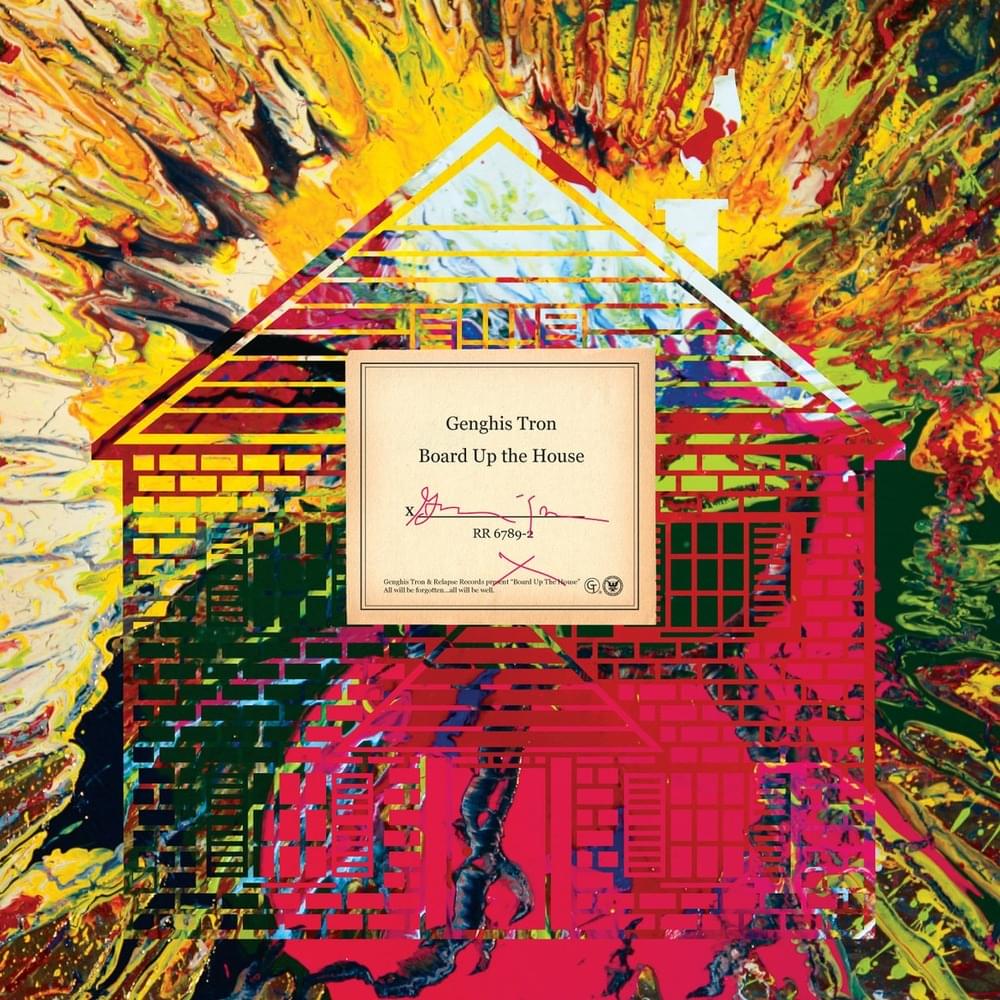
 View Artist