Song Meaning
The lyrics paint a stark picture of a relentless cycle, where twilight brings a moment of vulnerability, a chance for "starved hands in" to act. Sunrise offers only temporary rest for tired hands. There's an immediate tension between the demands of the day and the desperate need for sleep.
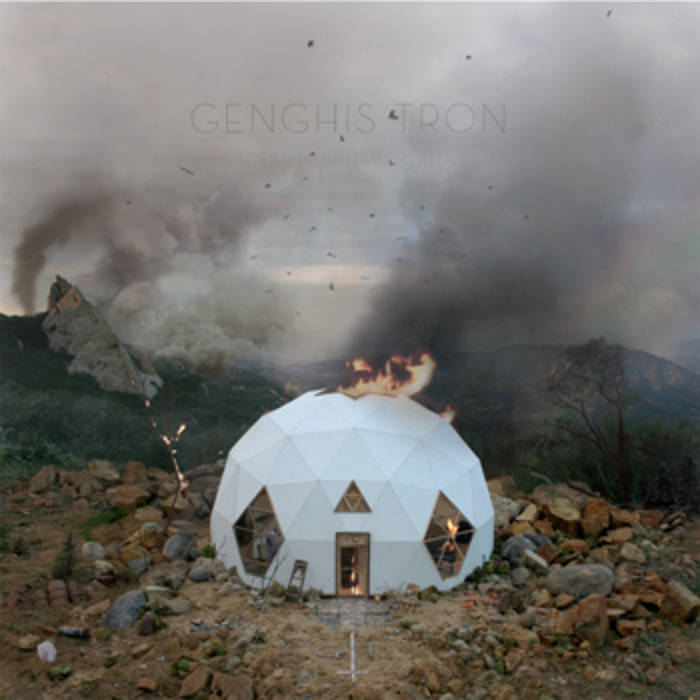
This tension deepens with a direct, urgent command: "Don't lay down." The narrator observes someone sleeping with an almost apocalyptic intensity, describing it as if "the end is night" or that the sleeper is so restless it's like the "bed's on fire." This isn't peaceful slumber but a deep, perhaps even dangerous, surrender.
The striking imagery of the day shedding its skin suggests a raw, exposed transition, a moment when something essential is revealed or accessed. This contrasts sharply with the night being "fully dressed," implying a covering up or a return to order. Yet, even in the night, there's a sense of active struggle, with hands working to "Cut through the thickest hours," suggesting that even rest is hard-won or interrupted.
What makes these lyrics so effective is their ability to convey profound exhaustion and a sense of underlying dread without explicitly stating it. The vivid, almost contradictory descriptions of sleep—both a desperate need and a potentially dangerous state—create a palpable sense of unease. The cyclical repetition of day and night, work and rest, underscores a feeling of being trapped within this demanding rhythm, where true peace feels elusive.
 View Artist