Song Meaning
The lyrics paint a disquieting picture of pervasive, unseen danger. A figure with a "gun in hand" is repeatedly identified as someone to "watch," yet "no one seems to see" this threat. This creates an immediate tension between a visible, armed menace and a collective, oblivious populace, underscored by the almost childlike "Heh-heh-heh" at the start and the ethereal "Ooh way-ooh" backing vocals that feel strangely detached from the grim warning.
The central conflict emerges from the proposed solution to this perceived threat: "Use a Kleenex." This mundane, disposable item is presented as the answer to everything from personal anxieties ("What you gonna do next?") to profound societal issues like "sex," "love," and even "world problems." The lyrics suggest a profound disconnect, where a serious, potentially violent situation is met with an absurdly trivial, almost dismissive response, implying a societal tendency to avoid or paper over difficult realities.
The most striking craft element is the juxtaposition of the violent imagery with the brand name "Kleenex." This cheapens the threat and elevates the disposable product to an almost absurd level of utility. The repetition of "Kleenex" after phrases like "Wipe out sex" and "Better than love" creates a jarring, almost Dadaist effect, suggesting that even fundamental human experiences and relationships are to be discarded or replaced with something equally fleeting and impersonal. The inclusion of "John, Paul, George" and "Governments" further amplifies this, implying that everyone, from icons to institutions, relies on this superficial fix.
This lyrical approach is effective because it uses absurdity to highlight a chilling commentary on apathy and superficiality. The contrast between the "gun in hand" and the "Kleenex" forces the listener to confront the inadequacy of easy answers or the willful ignorance that allows danger to persist. The lyrics don't offer a solution but rather expose the hollowness of a proposed one, leaving the listener with a sense of unease about how readily we might choose to "wipe out" problems rather than confront them.
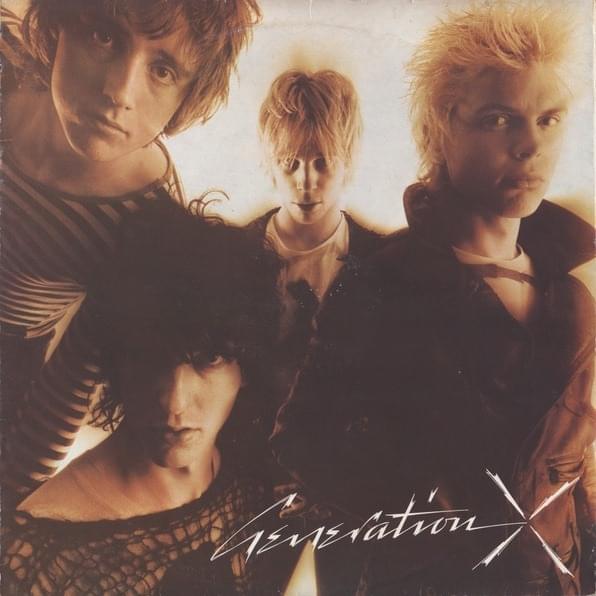
 View Artist