Song Meaning
The lyrics paint a picture of someone feeling utterly disconnected from a vibrant, stylish world they observe from the outside. There's a palpable sense of longing and inadequacy, as the narrator admits, "So sleek and free, not for me." This isn't just about fashion; it's about belonging and experiencing life's richness, a feeling that remains just out of reach. The repeated plea, "So tell me what to wear," underscores a desperate need for external validation and direction, a wish for someone else to curate their identity and entry into this desirable world.
The central tension lies in the narrator's desire for a life that feels like it's "happening" for them, contrasted with their passive approach to achieving it. The "simple request" is layered with an almost existential plea: "Oh, do I have to undress?" This suggests a willingness to shed their own identity, to become vulnerable and perhaps even debase themselves, in exchange for acceptance and the chance to be "in." The repetition of "Again and again and again and again" amplifies the cyclical nature of this yearning and the futility of their efforts.
The most striking craft element is the juxtaposition of aspirational brand names with a profound sense of self-doubt. The obsessive repetition of "Armani, Armani, Armani, Armani" after the admission "I know I'm not ugly" highlights how external markers of success and desirability have become the sole arbiters of worth. This fixation on designer labels, presented as a potential key to unlocking happiness and acceptance, reveals a warped perception of how to achieve fulfillment, where material possessions are seen as a substitute for genuine self-love and connection.
Ultimately, the lyrics resonate because they articulate a universal feeling of wanting to be seen, accepted, and loved, even if the proposed methods are misguided. The narrator's willingness to "throw my friends away" and "do whatever you say" for a chance at belonging is a raw, albeit desperate, expression of vulnerability. It's this unflinching portrayal of insecurity and the yearning for external validation that makes the narrator's plight so compelling, even as they seem trapped in a loop of their own making.
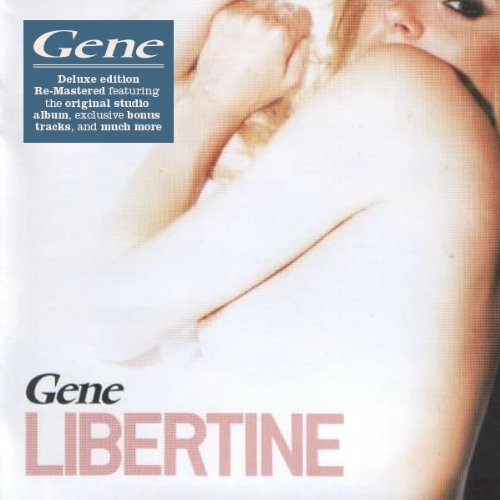
 View Artist