Song Meaning
Gene Vincent's "Love Is a Bird" takes flight as a deceptively simple metaphor for the ephemeral and untamable nature of affection. The core image—love as a bird—immediately establishes a sense of freedom and inherent wildness. Vincent isn't just singing about romance; he's articulating the psychological dance between attachment and autonomy that defines so many relationships. The lyrics highlight the futility of control: "You're gonna get hurt if you try to cage it / You'll just enrage it." This speaks to the destructive potential of possessiveness, suggesting that attempts to confine love ultimately kill it. The singer understands that love, like a bird, needs space to thrive, even if that means risking its departure. The opening verses paint a scene of post-flight desolation, "An empty glass, a smoked-filled room, I find myself alone," indicating the sting of lost love, but also, importantly, acceptance.
The song delves deeper into the cyclical nature of connection and loss. The verses about the fallen angel, nursed back to health only to fly away, represent a selfless act of care, acknowledging that love sometimes means letting go. The recurring line, "Love is a bird. It scatters its seed all around / But it likes its freedom too," shows the dualism of love's generative power and its inherent need for independence. It suggests love's influence extends beyond a single relationship, touching many lives, yet it remains elusive and self-governed.
However, the song doesn't end in complete despair. The image of the bird returning, “It seems afraid of darkening shadows, it's winging back to me”, introduces a glimmer of hope, hinting at the possibility of reconciliation and the cyclical nature of relationships. It suggests that genuine love, though free to roam, may ultimately seek the safety and comfort of a nurturing connection. The final repetition of "Love is a bird..." serves not as a lament, but as a gentle reminder of love's inherent qualities: its beauty, its freedom, and its unpredictable flight patterns. Vincent implies that the key to sustaining love is not to possess it, but to appreciate its fleeting visits and welcome its eventual return, understanding its intrinsic need for freedom.
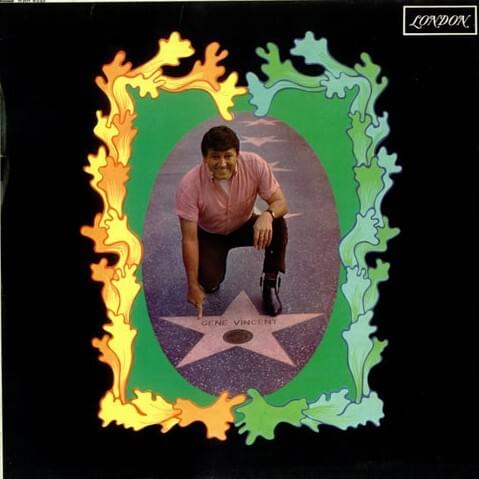
 View Artist