Song Meaning
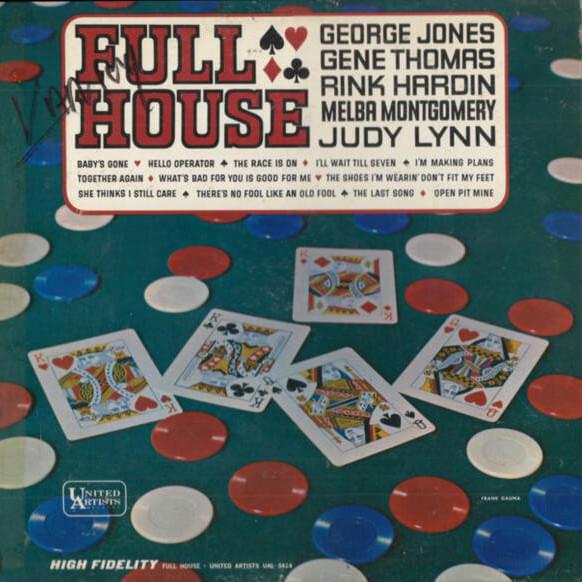
{"song_id": 11932469, "meaning": "George Jones's \"Baby's Gone\" isn't just a country lament; it's a raw dissection of abandonment, filtered through the disorienting lens of grief. The repetition of \"Baby's gone away\" hammers home the initial shock, a mantra of disbelief masking a deeper wound. It's less a song about romantic love and more about the primal fear of being utterly alone, adrift without a vital connection. The simplicity of the lyrics is deceptive; Jones masterfully uses the bare minimum to sketch a portrait of utter desolation. The absence of a goodbye, the unspoken \"why,\" amplifies the psychic damage, leaving the narrator trapped in a loop of unanswered questions and gnawing uncertainty.
The tangible remnants of the relationship – \"a funny photograph,\" \"two tickets torn in half,\" \"a ribbon from her hair\" – take on a haunting quality. These aren't sentimental keepsakes; they're shards of a shattered reality, mocking reminders of what's been lost. The teddy bear, in particular, suggests a regression to childhood, a desperate yearning for comfort and security in the face of unbearable pain. This regression highlights the core wound: the loss of a caregiver, someone who provided a sense of safety and belonging.
Beneath the surface of heartache lies a profound anxiety about the well-being of the departed. The lines \"I hope that she's alright / Oh where can baby be\" shift the focus from self-pity to genuine concern, adding another layer of complexity to the emotional landscape. It's a subtle but crucial distinction; the narrator isn't just mourning the loss of companionship, but also grappling with the fear that something terrible has happened to the \"baby.\" The plea \"Won't somebody please / Bring her back to me\" is not just a romantic entreaty but a cry for reassurance, a desperate attempt to restore order and meaning to a world that has suddenly become chaotic and unpredictable. The promise that \"she'll never be lonely again\" if returned reveals a willingness to prioritize the departed's well-being above his own."}
 View Artist