Song Meaning
The lyrics of "Tweedle-O-Twill" paint a vivid, almost pastoral portrait of a character immersed in simple, unhurried rural life. We see Tweedle O'Twill engaged in a series of gentle, everyday actions: "puffin' on corn silk," "whittle'n' wood," and "noddin' his head." The immediate emotional texture is one of peaceful observation, almost a quiet meditation on a life lived at a slower pace.
Beneath this surface calm, a subtle tension emerges. While Tweedle O'Twill appears content, "settin' there wishin', he could go fishin'" introduces a quiet longing, a desire for something just beyond his immediate reach. This gentle yearning contrasts with the otherwise idyllic scenes of him "pluckin' that daisy" or "swattin' a horsefly," suggesting that even in the most tranquil existence, small, unfulfilled desires can linger.
The lyrical craft here is particularly effective in its use of repetition and specific, folksy imagery. The constant refrain of "Tweedle O'Twill" creates a hypnotic, almost lullaby-like rhythm, reinforcing the cyclical, unchanging nature of his days. Phrases like "wadin' in corn" and "ticklin' his nose" ground the character firmly in his natural surroundings, making his world feel tangible. The lyrics also shift perspective, moving from direct observation to rhetorical questions like "don't he look drowsy?" and speculative thoughts, creating a sense of an intimate, yet slightly teasing, observer.
Ultimately, these lyrics resonate because they celebrate the profound joy found in the mundane. The idea that Tweedle O'Twill is "Gettin' a thrill" from plucking a daisy or swatting a fly elevates these simple acts, inviting the listener to appreciate the small moments of contentment. The unexpected, slightly cautionary line, "Better be still," adds a touch of mystery, hinting at an unspoken wisdom or a need for quietude that underpins this seemingly uncomplicated existence.
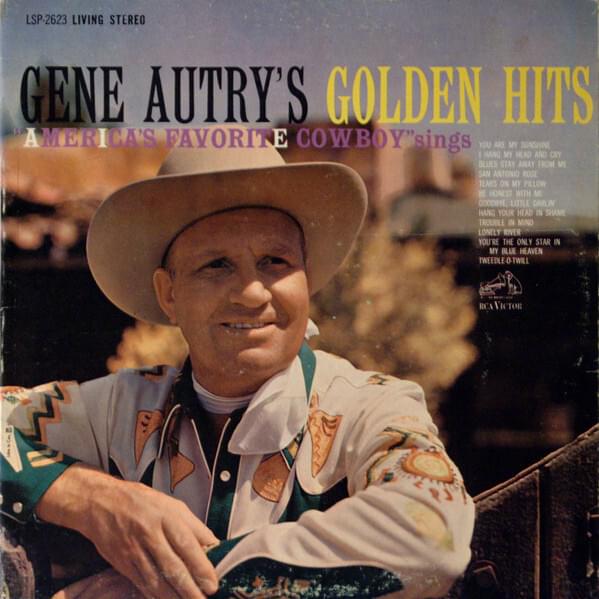
 View Artist