Song Meaning
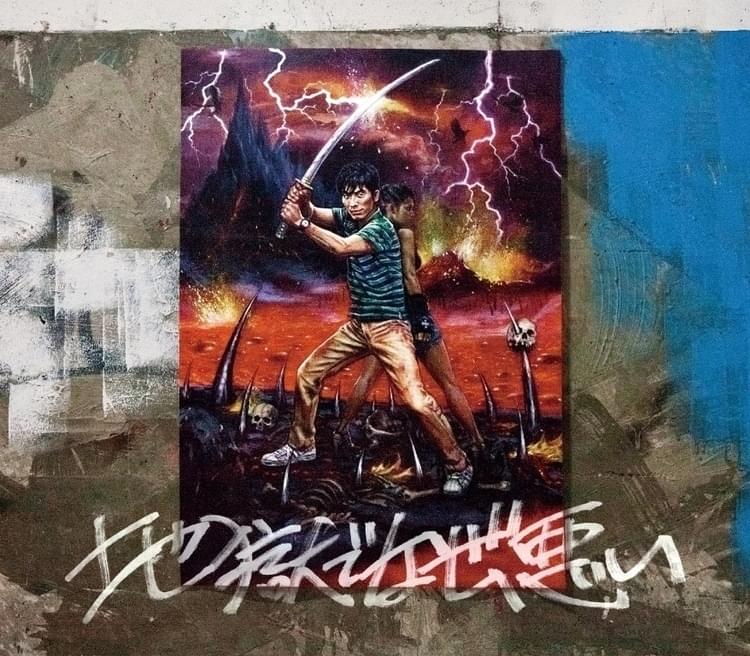
The lyrics open in a stark "病室" (hospital room) where the "夜が心をそろそろ蝕む" (night slowly erodes the heart), setting a bleak, vulnerable scene. Yet, this despair is immediately complicated by the speaker's declaration that "ここは元から楽しい地獄だ" (this is a fun hell from the start), suggesting a strange, defiant acceptance of their grim reality. There's a sense of being trapped, with "出口はないんだ" (no exit) from this inherent condition.
The central tension lies in this embrace of a "hell" that is both inescapable and, paradoxically, "fun." The speaker grapples with pain and "悲しい記憶" (sad memories), finding solace not in escape, but in a kind of active engagement with their circumstances. They observe a "希望に似た花が 女のように笑う" (flower resembling hope laughs like a woman), an image that later shifts to a "非道に咲く花" (flower blooming cruelly), hinting at a cynical evolution of their outlook.
A key craft element is the speaker's defiant questioning: "嘘でなにが悪いか" (what's wrong with lies?) and "作り物で悪いか" (what's wrong with fakes?). This suggests that in a world where "嘘で出来た世界が 目の前を染めて広がる" (a world made of lies stains and spreads before one's eyes), authenticity might be a luxury. Instead, the lyrics champion those who "ただ地獄を進む者が 悲しい記憶に勝つ" (only those who advance through hell overcome sad memories), emphasizing resilience over purity.
Ultimately, these lyrics are effective because they offer a raw, unvarnished perspective on finding agency within an unchangeable, difficult existence. The repeated resolve to "明日を掴んで立つ" (grab tomorrow and stand) culminates in a powerful, unexpected invitation: "動けない場所から君を 同じ地獄で待つ" (from a place where I cannot move, I'll wait for you in the same hell). This transforms a solitary struggle into a shared, albeit still hellish, destination, suggesting a profound connection forged in adversity.
 View Artist