Song Meaning
Gemma Hayes' "Oliver" isn't a gentle ballad; it's a stark post-mortem on a relationship that detonated. The song meaning centers on the aftermath of profound emotional damage inflicted by the titular Oliver. The opening lines are visceral: "You kicked a hole through my heart / And left me with the whistling sound." This isn't mere heartbreak; it's a violation, leaving an emptiness so profound it howls like wind. The image is unforgettable, immediately establishing the core theme of irreparable harm. The rawness is what arrests the listener. Hayes isn't singing about a simple breakup; she's dissecting the anatomy of a wound.
The lyrics then pivot to a kind of desperate self-preservation. The singer attempts to repair the damage, using crude, inadequate tools: "duck tape / And an old bin bag." This makeshift repair is a facade, a way to appear unchanged to the outside world. "I put back on my sweater / So I look the same." The repetition of "I might look the same / But I'm a little different now" underscores the internal transformation. The surface remains, but the core has been irrevocably altered. This is the quiet horror of emotional trauma – the way it reshapes identity unseen.
"Oliver, you are my blackness / Oliver, you are my lightness" is perhaps the most psychologically complex line in the song. It acknowledges the duality of the relationship. Oliver isn't just a villain; he represents both darkness and light, destruction and perhaps, at one point, a source of joy or inspiration. The singer's internal conflict is palpable. He is both "devastator" and something more ambiguous, a figure who has left an indelible mark, both positive and negative. It's a recognition that even the most destructive relationships can leave a lasting, complicated legacy on the self.
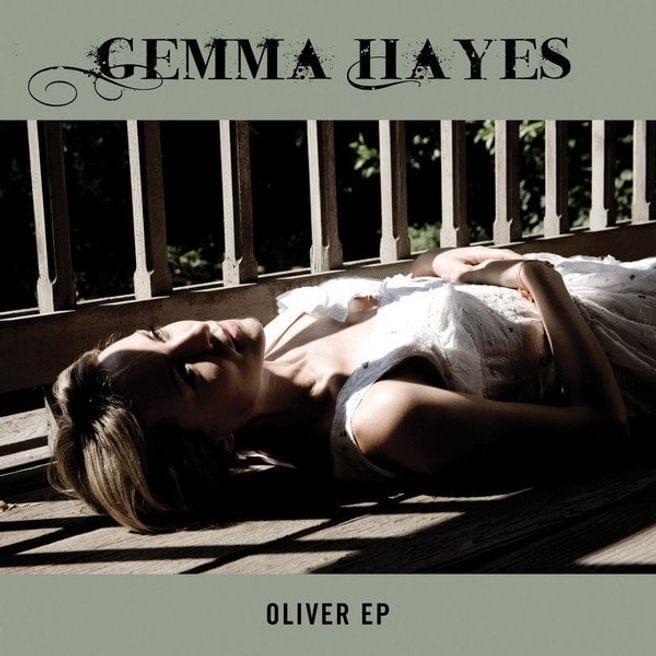
 View Artist