Song Meaning
The lyrics paint a stark picture of a desolate, frozen landscape, a "monotonous landscape" that stretches endlessly. This emptiness isn't just geographical; it's a repository for past suffering, a place where "many lost lives" and "an entire age of evils" are hidden but not forgotten. The repeated phrase "glemmes ei, glemmes ei" (not forgotten, not forgotten) underscores a persistent, haunting memory that refuses to fade, even within this seemingly barren expanse.
The central tension arises from the palpable sense of sorrow and anxiety that permeates this environment. The narrator questions if "sorrow is in the air" and if "anxiety is sown in frozen ground." This anthropomorphism of the landscape suggests that the suffering is so profound it has become an intrinsic part of the very earth, a chilling inheritance. The mention of "desperate tears" further solidifies the emotional weight of this place, implying a history of profound grief.
The most striking craft element is the imagery of ruins as "earth's scars." These aren't just remnants of buildings but physical manifestations of past pain, "stone by stone, covered by snow." This powerful metaphor transforms the physical decay into a testament to enduring hurt, suggesting that the land itself bears witness to historical atrocities. The final question, "Do you know how much it hurt?" directly implicates the listener, demanding acknowledgment of this buried suffering.
This lyrical construction is effective because it grounds abstract concepts of historical trauma and lingering grief in concrete, sensory details of a frozen, ruined landscape. The contrast between the vast, silent emptiness and the intense, remembered pain creates a powerful emotional resonance. The direct address at the end forces a confrontation with this legacy, making the listener feel the weight of what has been lost and endured.
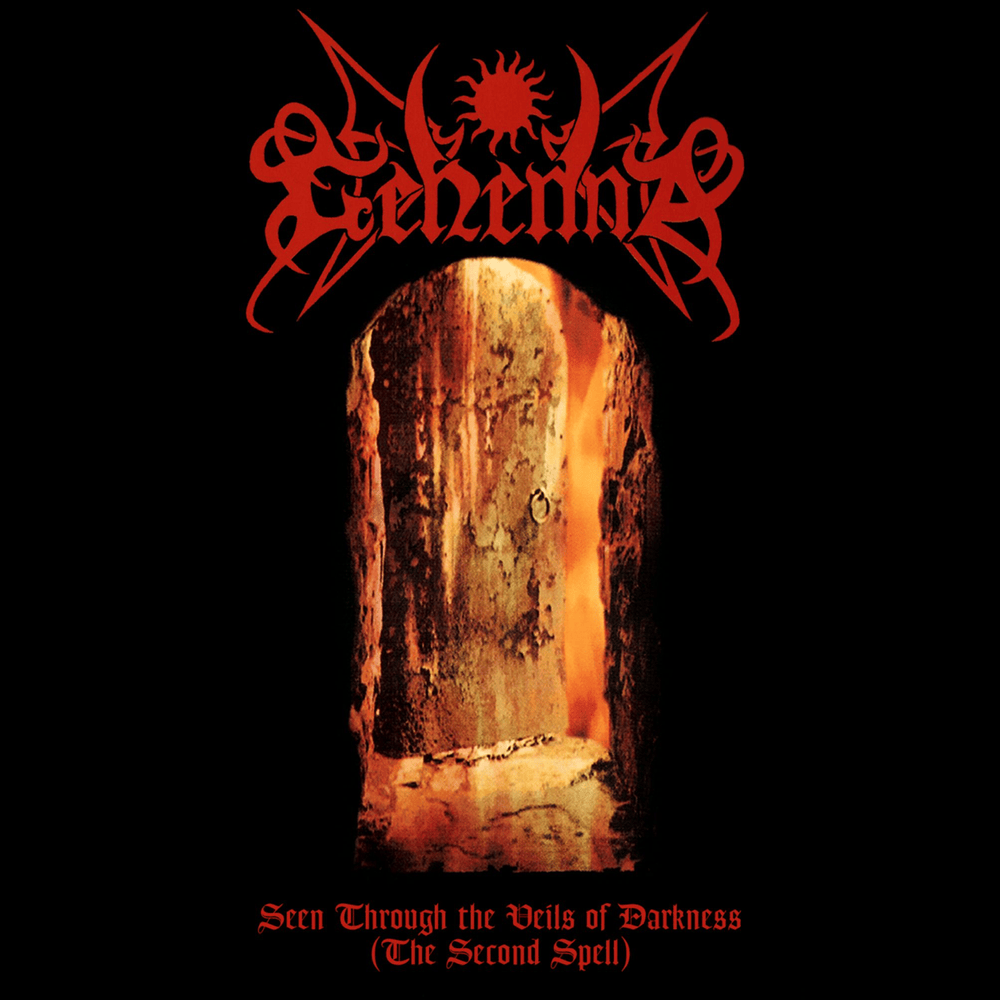
 View Artist